Hurstway Care Home

At a Glance
The information you need to decide whether this home warrants a closer look.
Nursing homes
Staff warmth score
of reviewers answered yes
Good to know
- Registered beds42
- SpecialismsCaring for adults over 65 yrs, Dementia, Physical disabilities, Sensory impairment
- Last inspected2022-11-17
Save Hurstway Care Home to your shortlist
Keep a running list, add visit notes, and compare homes side-by-side. Free account — it takes a minute.
STAGE 4 — RESEARCHING CARE HOMES
Visit homes. Compare them side by side. Choose with confidence.
Most of us will view care homes the way we view houses, impression, atmosphere, the feeling in the corridor. We go home, try to remember what we saw, and make a permanent decision from a blurred memory.

The DCC shortlist gives every home you visit a structured record: the same twelve questions, answered the same way, every time. When you’re ready to choose, pull any two homes side by side and compare them directly. Same criteria, same evidence, your notes and your scores.
The Evidence
What the review data, the inspection reports, and the dementia-care evidence base tell us about this home.
What families say
Families often mention how staff persist in finding ways to connect with residents who might initially resist help or feel anxious about their care. There's a sense that the team genuinely works to understand each person's communication style and preferences. The atmosphere has become noticeably calmer and brighter following recent improvements to the building.
The eight family priority themes
- Staff warmth72
- Compassion & dignity72
- Cleanliness72
- Activities & engagement70
- Food quality70
- Healthcare72
- Management & leadership72
- Resident happiness70
What inspectors found
Inspected 2022-11-17
Is this home safe?
Is the care effective?
The home was rated Good for effectiveness at the May 2025 inspection. This domain covers whether staff have the right training, whether care plans are detailed and kept up to date, how the home manages healthcare needs including GP access and medicines, and whether nutrition and hydration are well supported. The published report text does not include specific observations on any of these areas, so the Good rating reflects inspectors' overall judgement without recorded examples being available for this analysis.Is this home caring?
The home was rated Good for caring at the May 2025 inspection. This domain is the one most directly connected to whether staff treat your parent with warmth, respect their privacy, support their independence, and respond to distress in a calm and person-centred way. The published report text does not include inspector observations or resident and relative quotes that would allow a more detailed picture of day-to-day caring practice.Is the home responsive?
The home was rated Good for responsiveness at the May 2025 inspection. This domain covers whether the home provides activities that are meaningful and tailored to individual interests, how it responds to complaints, and whether end-of-life care planning is in place. The home's registration confirms it specialises in dementia care, physical disabilities, and sensory impairment. The published report text does not describe the activities programme, individual engagement, or complaints handling in specific terms.Is the home well-led?
The home was rated Good for leadership at the May 2025 inspection. Kerry Louise Mullender is the registered manager and Sandeep Singh Dhami is the nominated individual. The home has been inspected seven times and has moved from a previous Inadequate rating to Good across all domains, which suggests sustained effort under the current leadership structure. The published report text does not describe how visible the manager is, how staff are supported, or how the governance system works in practice.
Source: CQC inspection report →
What the evidence base says
The home provides specialist support for residents with sensory impairments, working to ensure communication remains possible despite hearing or vision challenges. They also care for people with physical disabilities, adapting daily routines to maintain independence where possible. Staff show particular skill in supporting residents with dementia who may feel confused or resistant to care. Rather than rushing, they take time to find approaches that work for each individual, using creative communication techniques when words alone aren't enough. All areas worth probing directly during a visit.
The DCC Verdict
Our editorial view, built from the three lenses: what families tell us, what inspectors record, and how the home sits against good dementia-care practice.
DCC Family Score
Every domain was rated Good at the most recent inspection in May 2025, which is a meaningful step up from the previous Inadequate rating. However, the published report text contains very limited specific detail, so scores sit in the 70-72 range rather than higher: there is positive direction of travel, but not enough inspector observations or testimony to confirm the depth of improvement.
Homes in West Midlands typically score 68–82.The three-lens summary
What families tell us
Families often mention how staff persist in finding ways to connect with residents who might initially resist help or feel anxious about their care. There's a sense that the team genuinely works to understand each person's communication style and preferences. The atmosphere has become noticeably calmer and brighter following recent improvements to the building.
What inspectors have recorded
What stands out is how the team keeps families in the loop — regular updates about activities, medical appointments and daily life help relatives feel connected even when they can't visit. Staff develop lasting relationships with residents, with the same carers often remembered fondly years into someone's stay. While there have been some concerns raised about care standards in the past, many families report significant improvements under the current management team.
How it sits against good practice
Every family's experience matters, and finding the right fit takes time and careful consideration.
Worth a visit
Hurstway Care Home, at 142 The Hurstway, Birmingham, was rated Good across all five domains at its most recent inspection on 8 May 2025, with the report published in July 2025. This is a significant improvement from a previous Inadequate rating, and inspectors judged the home to be Good for safety, effectiveness, caring, responsiveness, and leadership. The home cares for up to 42 people, including those living with dementia, physical disabilities, and sensory impairment. The main uncertainty here is that the published report text provided for this analysis contains very little specific detail: no inspector observations, no resident or relative quotes, and no named examples of practice. That makes it impossible to confirm how deeply rooted the improvements are. Before committing to this home, visit in person, speak to the registered manager Kerry Louise Mullender directly, and use the checklist questions below to test whether the Good rating reflects day-to-day reality for your parent.
The three questions to ask when you visitSave this home. Compare it against your shortlist.
Let our analysis show you how Hurstway Care Home measures up against the other homes you’re considering. Free account.
In Their Own Words
How Hurstway Care Home describes itself — collected from its own website. DCC has not edited or independently verified the content in this tab.
Finding comfort through genuine connections and thoughtful care
Nursing home in Birmingham: True Peace of Mind
When someone you love needs specialist support, you want to know they'll be treated with patience and understanding. Hurstway Care Home in Birmingham offers residential care that focuses on building real relationships with each resident. The home supports people living with dementia, physical disabilities and sensory impairments, with staff who take time to understand what makes each person feel secure and valued.
Who they care for
The home provides specialist support for residents with sensory impairments, working to ensure communication remains possible despite hearing or vision challenges. They also care for people with physical disabilities, adapting daily routines to maintain independence where possible.
Staff show particular skill in supporting residents with dementia who may feel confused or resistant to care. Rather than rushing, they take time to find approaches that work for each individual, using creative communication techniques when words alone aren't enough.
“Every family's experience matters, and finding the right fit takes time and careful consideration.”
DCC does not edit or curate content in this tab. For independently curated information, see The Evidence and DCC Verdict.
The DCC Verdict
Our editorial view, built from the three lenses: what families tell us, what inspectors record, and how the home sits against good dementia-care practice.
DCC Family Score
Every domain was rated Good at the most recent inspection in May 2025, which is a meaningful step up from the previous Inadequate rating. However, the published report text contains very limited specific detail, so scores sit in the 70-72 range rather than higher: there is positive direction of travel, but not enough inspector observations or testimony to confirm the depth of improvement.
Homes in West Midlands typically score 68–82.The three-lens summary
What families tell us
Families often mention how staff persist in finding ways to connect with residents who might initially resist help or feel anxious about their care. There's a sense that the team genuinely works to understand each person's communication style and preferences. The atmosphere has become noticeably calmer and brighter following recent improvements to the building.
What inspectors have recorded
What stands out is how the team keeps families in the loop — regular updates about activities, medical appointments and daily life help relatives feel connected even when they can't visit. Staff develop lasting relationships with residents, with the same carers often remembered fondly years into someone's stay. While there have been some concerns raised about care standards in the past, many families report significant improvements under the current management team.
How it sits against good practice
Every family's experience matters, and finding the right fit takes time and careful consideration.
Worth a visit
Hurstway Care Home, at 142 The Hurstway, Birmingham, was rated Good across all five domains at its most recent inspection on 8 May 2025, with the report published in July 2025. This is a significant improvement from a previous Inadequate rating, and inspectors judged the home to be Good for safety, effectiveness, caring, responsiveness, and leadership. The home cares for up to 42 people, including those living with dementia, physical disabilities, and sensory impairment. The main uncertainty here is that the published report text provided for this analysis contains very little specific detail: no inspector observations, no resident or relative quotes, and no named examples of practice. That makes it impossible to confirm how deeply rooted the improvements are. Before committing to this home, visit in person, speak to the registered manager Kerry Louise Mullender directly, and use the checklist questions below to test whether the Good rating reflects day-to-day reality for your parent.
The three questions to ask when you visitSave this home. Compare it against your shortlist.
Let our analysis show you how Hurstway Care Home measures up against the other homes you’re considering. Free account.
In Their Own Words
How Hurstway Care Home describes itself — collected from its own website. DCC has not edited or independently verified the content in this tab.
Finding comfort through genuine connections and thoughtful care
Nursing home in Birmingham: True Peace of Mind
When someone you love needs specialist support, you want to know they'll be treated with patience and understanding. Hurstway Care Home in Birmingham offers residential care that focuses on building real relationships with each resident. The home supports people living with dementia, physical disabilities and sensory impairments, with staff who take time to understand what makes each person feel secure and valued.
Who they care for
The home provides specialist support for residents with sensory impairments, working to ensure communication remains possible despite hearing or vision challenges. They also care for people with physical disabilities, adapting daily routines to maintain independence where possible.
Staff show particular skill in supporting residents with dementia who may feel confused or resistant to care. Rather than rushing, they take time to find approaches that work for each individual, using creative communication techniques when words alone aren't enough.
Management & ethos
What stands out is how the team keeps families in the loop — regular updates about activities, medical appointments and daily life help relatives feel connected even when they can't visit. Staff develop lasting relationships with residents, with the same carers often remembered fondly years into someone's stay. While there have been some concerns raised about care standards in the past, many families report significant improvements under the current management team.
The home & environment
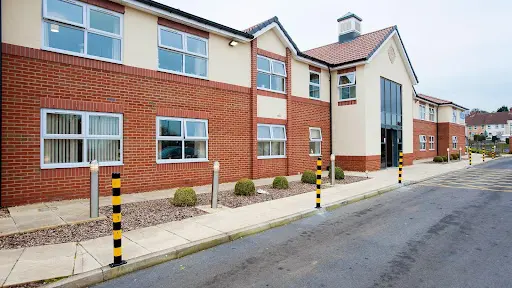
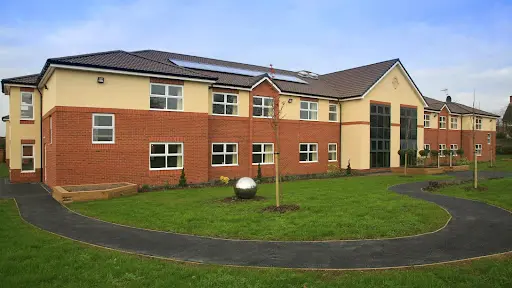
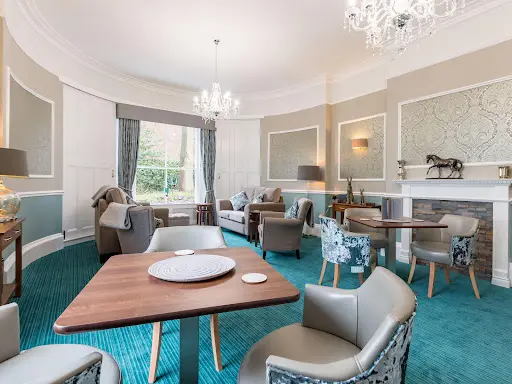
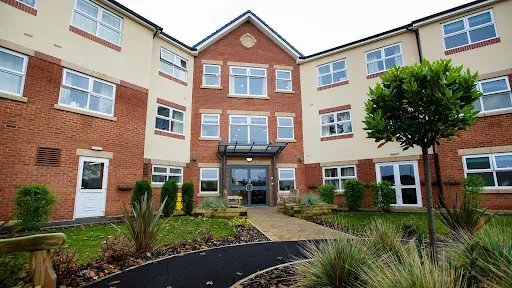
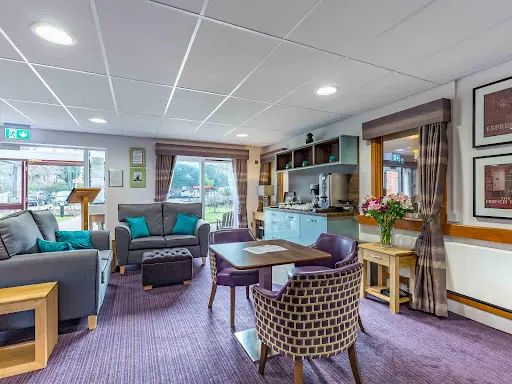
The home has undergone refurbishment that's made a real difference to how welcoming it feels when you walk through the door. Residents are consistently well-presented and comfortable, with attention paid to personal grooming and cleanliness throughout the day.
“Every family's experience matters, and finding the right fit takes time and careful consideration.”
DCC does not edit or curate content in this tab. For independently curated information, see The Evidence and DCC Verdict.