The Dementia Care Guide to Finding Them Again

There is something that everyone who cares for a person with dementia eventually discovers. The person is still there. Not lost. Not gone. Still there, behind something that the disease has placed between them and the world they used to navigate freely. A moment of music, a familiar photograph, the smell of something once loved, a hand held in a garden on a warm afternoon — any of these can reach through. Briefly, sometimes longer than you expected. Enough, on a good day, to remind you both of who you are to each other.

This section is a collection of the things that can do that. Some you will already have at home. Some can be made from very little. Some are worth buying, and where that is the case, we have made it as easy as possible. Every item here was researched and considered during the writing of the book Dementia Care: Finding Them Again , and the thinking behind each one goes deeper in its pages. You will find a link to the book and details of how to get a copy at the foot of this page.

For each item, we suggest products available on Amazon. We chose Amazon for one reason: most of us already have an account there, which makes buying straightforward, and everything arrives quickly. The links are affiliate links, which means the site earns a small commission on any purchase made through them. It does not cost you a penny more than the standard price, and it is how we pay for the running and upkeep of this site. We mention this because you deserve to know, and because it changes nothing about which products we recommend. We point you only to things we believe are genuinely useful.

None of this is a shopping list. You are never required to buy anything. The guide works just as well without it.

Dementia care gifts that help

The Thoughtful Gift That Makes a Difficult Day Easier

The things that make the greatest difference to someone living with dementia are rarely the most obvious ones. They are the things that ease the day — that give a carer a moment to breathe, or give the person they care for a moment of calm or quiet joy. Every item here was chosen because it works, and because it reduces stress for everyone in the room.

Comforting Memories

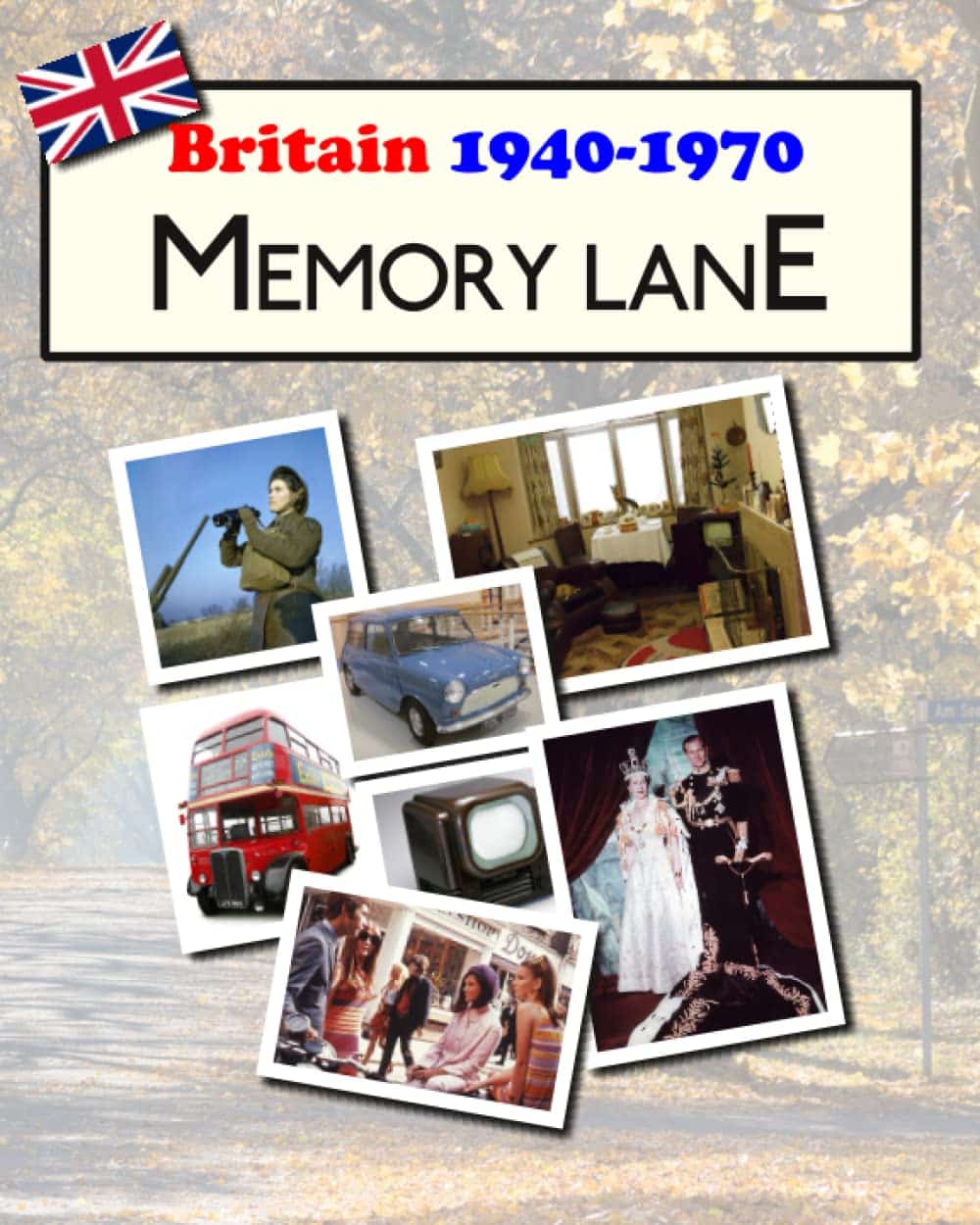
Britain 1940 to 1970: Memory Lane

Card Game

The Card Game That Turns Familiar Phrases Into Open Doors

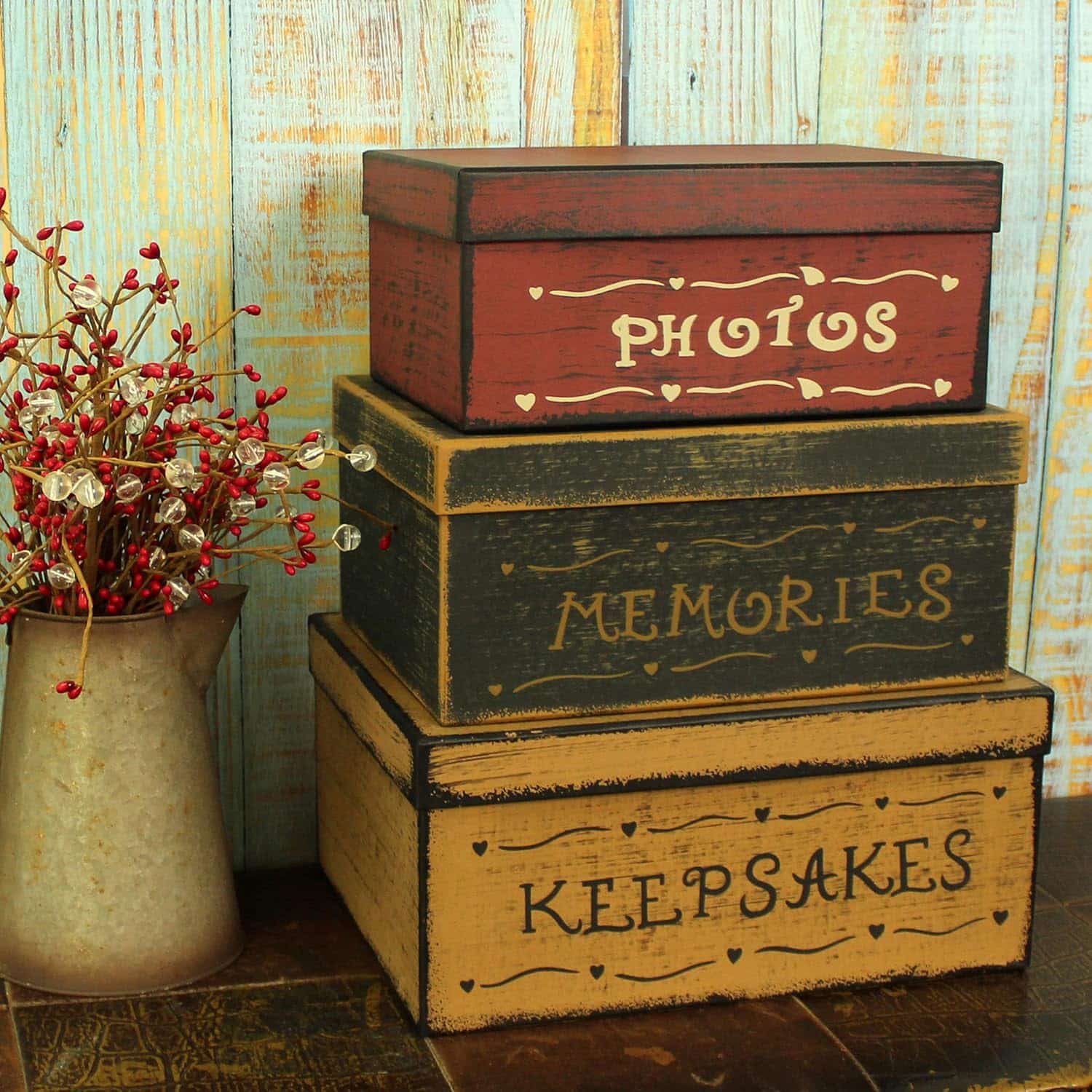
Memory Box

The Box That Holds a Life

Digital Photoframe

The Frame That Brings the Family Into the Room

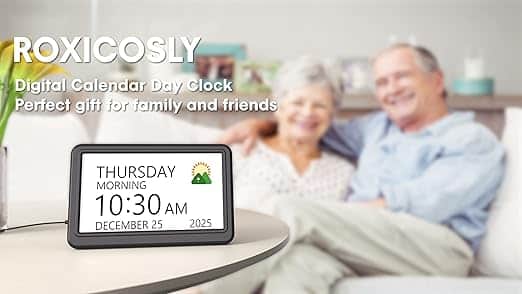
Digital Calendar

The Clock That Knows What Day It Is

Sunlight streaming through window onto potted plants
Stage 1 · Recognition

You've noticed something different.

Twelve signs to observe before your next GP appointment. You don't need to wait for a diagnosis to start.

1
Watch for this

Memory — the early signals

Not just forgetting. Repeating the same question in the same conversation. Losing things and being unable to retrace steps.

  • Repeats questions within minutes
  • Forgets recent events, recalls old ones
  • Loses things — can't find them again
Note how often. Sometimes, often, or most days? The GP needs this.
2
Listen for this

Language — losing the thread

Struggling to find the right word. Stopping mid-sentence. Dropping out of group conversations they used to join.

  • Substitutes approximate words
  • Loses track mid-sentence
  • Can't follow group conversation
Write down specific examples with dates. Not just "she seemed confused."
3
Watch at home

Daily tasks — familiar things becoming hard

A recipe she's made for thirty years. The TV remote. The route to the shops. Things that used to be automatic.

  • Struggles with familiar appliances
  • Confused about dates or seasons
  • Gets lost in familiar places
Three or more of these marked "often" — book the GP now.
4
Notice the change

Mood — the personality shift nobody explains

More anxious. More suspicious. Lost interest in things they loved. Pulling away from people. Without a clear cause.

  • Anxious or irritable without reason
  • Lost interest in hobbies
  • Withdrawn from social contact
These are often the signs that made you search in the first place.
5
Do this now

Take the checklist to the GP

A scored checklist is far more useful than a general description. Ask for a memory clinic referral. You don't need to wait for them to suggest it.

  • Score each sign: sometimes / often / always
  • Bring dated examples
  • Ask for the memory clinic referral
Document while you wait. A written record is more useful than a general impression.

You don't need a diagnosis to start observing.

Download the scored checklist. Tick what you've seen. Take it to the GP.

Stage 1 of 6 · The guide nobody gave you.

Free download – Dementia Stage 1

Not sure if it's dementia or just ageing? Here's the checklist your GP will use.

Twelve signs to observe. A simple scoring framework. A printable, one-page record you can take to your next GP appointment, so you go in with specifics, not anxiety.

Download Your Checklist

No registration required to download. Free.

Frequently Asked Questions

Diagnosed in your 80s: what the prognosis actually looks like and why the range is so wide

read this FAQ

Life expectancy with dementia — why there's no useful average, and what to ask instead

read this FAQ

Dementia medication: what it can do, what it can't, and why the answer depends on the diagnosis

read this FAQ

The fears that come with dementia — and why the dark is harder than the day

read this FAQ

Does your parent know what's happening to them? The answer changes at every stage

read this FAQ

You can't guarantee prevention. But these habits meaningfully lower the risk

read this FAQ

The steps that genuinely reduce dementia risk — and the ones that don't do as much as claimed

read this FAQ

There is no cure for dementia. Here's what treatment can — and honestly can't — do

read this FAQ
We use cookies in order to give you the best possible experience on our website. By continuing to use this site, you agree to our use of cookies.
Accept