Angelcare Residential Living

At a Glance
The information you need to decide whether this home warrants a closer look.
Residential homes
Staff warmth score
of reviewers answered yes
Good to know
- Registered beds25
- SpecialismsCaring for adults over 65 yrs, Caring for adults under 65 yrs, Dementia, Physical disabilities, Sensory impairment
- Last inspected2022-05-13
The Evidence
What the review data, the inspection reports, and the dementia-care evidence base tell us about this home.
What families say
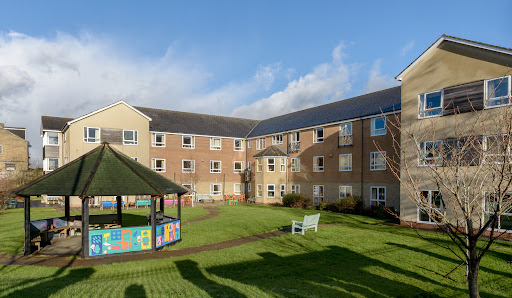
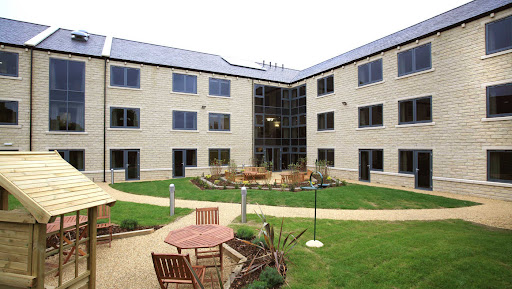
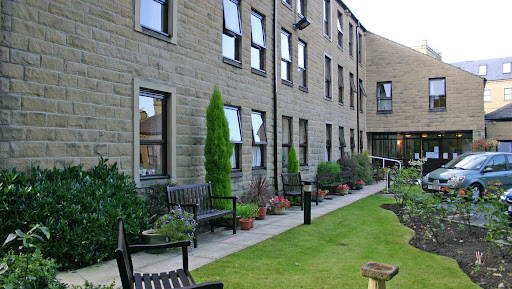
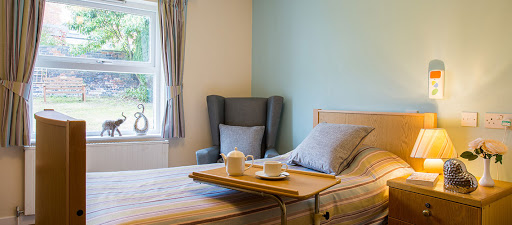
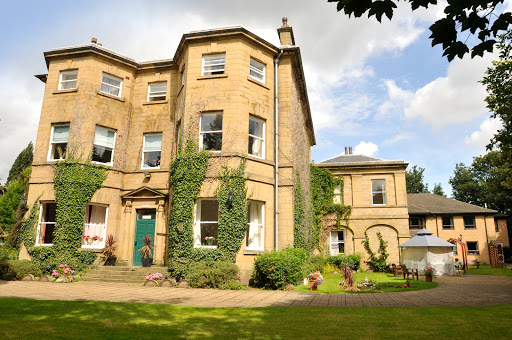
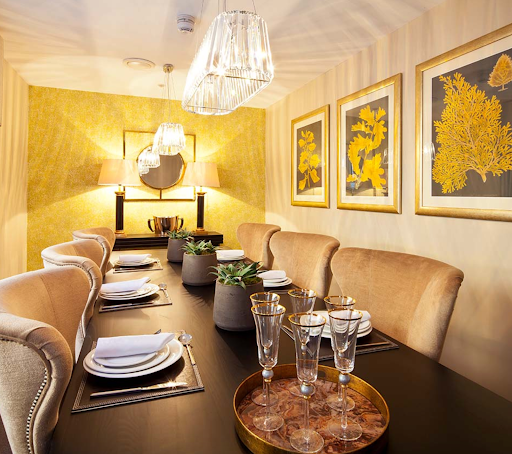
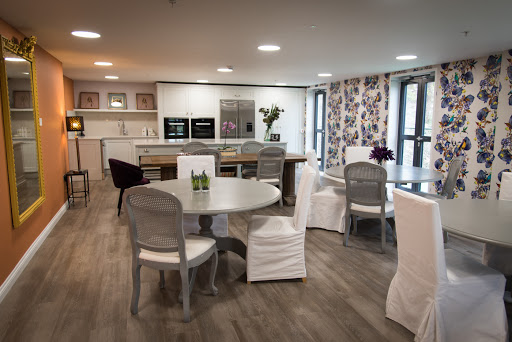
The building itself feels right — clean, comfortable, thoughtfully arranged for people managing physical challenges. There's a proper bar where residents can enjoy a drink, quiet corners with newspapers for peaceful moments, and spaces that encourage socialising rather than isolation. Families mention how the activities coordinator keeps everyone engaged, steering clear of the endless television trap that catches so many.
The eight family priority themes
- Staff warmth70
- Compassion & dignity70
- Cleanliness70
- Activities & engagement60
- Food quality60
- Healthcare68
- Management & leadership72
- Resident happiness65
What inspectors found
Inspected 2022-05-13
Is this home safe?
Is the care effective?
The Effective domain was rated Good at the September 2025 inspection. This domain covers staff training, care planning, healthcare access, and food and nutrition. The published summary does not include specific detail on any of these areas. The home lists dementia as a specialism, which means inspectors will have assessed whether staff have appropriate dementia training and whether care plans reflect individual needs, but no specific findings or examples are available in the published report.Is this home caring?
The Caring domain was rated Good at the September 2025 inspection. This domain covers staff warmth, dignity, respect, and supporting independence. The published summary does not include direct observations of staff interactions, resident testimony, or specific examples of how dignity is protected during personal care. A Good rating here means inspectors were satisfied that caring standards met the required threshold, but the specific evidence behind that judgement is not available in the published report.Is the home responsive?
The Responsive domain was rated Good at the September 2025 inspection. This domain covers activities, individual engagement, responsiveness to changing needs, and end-of-life care. The published report does not describe the activity programme, confirm whether one-to-one engagement is available, or indicate how end-of-life planning is approached. The home supports people with a range of conditions including dementia and physical disabilities, which requires a responsive approach to individual need, but no specific examples are available in the published findings.Is the home well-led?
The Well-led domain was rated Good at the September 2025 inspection. A named Registered Manager (Mrs Melanie Jane Conlon) and a named Nominated Individual (Ms Zoe Claire Enefer) are confirmed in the inspection record. This is the home's first inspection, which means there is no trend data to indicate whether quality is improving or stable over time. The published summary does not include detail on governance systems, staff culture, how the home learns from incidents, or how it communicates with families.
Source: CQC inspection report →
What the evidence base says
The home supports younger adults with physical disabilities alongside older residents, including those living with dementia. They've developed particular strength in rehabilitation after hospital stays and end-of-life care. For residents with memory loss, the consistent staff team provides the familiarity that helps reduce confusion. The structured activity programme keeps people engaged at whatever level suits them, while the physical environment supports safe wandering. All areas worth probing directly during a visit.
The DCC Verdict
Our editorial view, built from the three lenses: what families tell us, what inspectors record, and how the home sits against good dementia-care practice.
DCC Family Score
Angelcare Residential Living has been rated Good across all five domains at its first full inspection, which is a positive starting point. However, the published report contains very limited specific detail, so most scores sit in the mid-range reflecting a positive but unverified picture.
Homes in Yorkshire & Humberside typically score 68–82.The three-lens summary
What families tell us
The building itself feels right — clean, comfortable, thoughtfully arranged for people managing physical challenges. There's a proper bar where residents can enjoy a drink, quiet corners with newspapers for peaceful moments, and spaces that encourage socialising rather than isolation. Families mention how the activities coordinator keeps everyone engaged, steering clear of the endless television trap that catches so many.
What inspectors have recorded
Staff turnover seems refreshingly low here, which means residents build real relationships with carers who know them well. Families appreciate being able to reach management directly when concerns arise. There's a proactive approach to health needs too — one family mentioned hearing aid appointments arranged within two days, others noted careful medication reviews.
How it sits against good practice
Some places just get it — that behind every admission is a family wrestling with guilt, hope, and exhaustion. Angelcare seems to be one of them.
Worth a visit
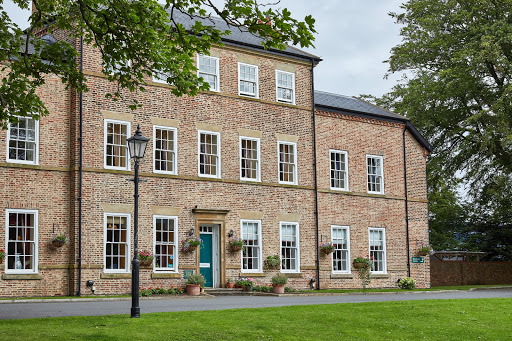
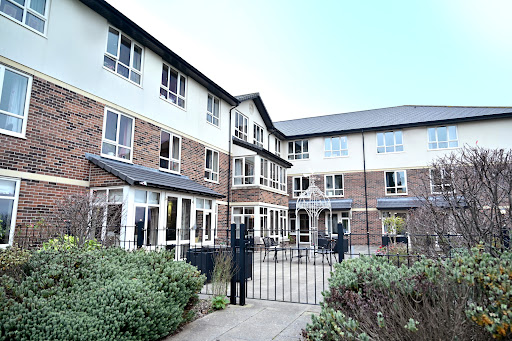
Angelcare Residential Living at 116 Green Lane, Halifax was rated Good across all five inspection domains at its first full assessment, carried out in September 2025 and published in November 2025. The home is a small residential care home with 25 beds, registered to support people with dementia, physical disabilities, sensory impairments, and older and younger adults. A named Registered Manager and Nominated Individual are in post, which is a positive governance indicator. The main uncertainty here is that the published inspection summary contains very limited specific detail. Inspectors awarded Good ratings across the board, but the available report does not include direct observations of staff interactions, resident or family quotes, examples of care planning, or information about staffing levels, activities, food, or the physical environment. A Good rating at a first inspection is encouraging, but it tells you relatively little on its own. Before committing to this home, visit during the day and ask the manager to show you last week's actual staffing rota (counting permanent versus agency names, particularly on nights), sit in on a mealtime, and ask how one-to-one support is provided to residents with dementia who cannot join group activities.
The three questions to ask when you visitSave this home. Compare it against your shortlist.
Let our analysis show you how Angelcare Residential Living measures up against the other homes you’re considering. Free account.
In Their Own Words
How Angelcare Residential Living describes itself — collected from its own website. DCC has not edited or independently verified the content in this tab.
Where recovery becomes possible and dignity never wavers
Compassionate Care in Halifax at Angelcare Residential Living
When families face those impossible moments — a parent's stroke, a partner's fall, those final precious weeks — they need somewhere that understands the weight of what they're carrying. Angelcare Residential Living in Halifax has quietly earned trust by turning difficult transitions into genuine recoveries. Families describe watching loved ones regain weight after hospital stays, reconnect through activities they'd thought lost, and find comfort when comfort matters most.
Who they care for
The home supports younger adults with physical disabilities alongside older residents, including those living with dementia. They've developed particular strength in rehabilitation after hospital stays and end-of-life care.
For residents with memory loss, the consistent staff team provides the familiarity that helps reduce confusion. The structured activity programme keeps people engaged at whatever level suits them, while the physical environment supports safe wandering.
“Some places just get it — that behind every admission is a family wrestling with guilt, hope, and exhaustion. Angelcare seems to be one of them.”
DCC does not edit or curate content in this tab. For independently curated information, see The Evidence and DCC Verdict.
The DCC Verdict
Our editorial view, built from the three lenses: what families tell us, what inspectors record, and how the home sits against good dementia-care practice.
DCC Family Score
Angelcare Residential Living has been rated Good across all five domains at its first full inspection, which is a positive starting point. However, the published report contains very limited specific detail, so most scores sit in the mid-range reflecting a positive but unverified picture.
Homes in Yorkshire & Humberside typically score 68–82.The three-lens summary
What families tell us
The building itself feels right — clean, comfortable, thoughtfully arranged for people managing physical challenges. There's a proper bar where residents can enjoy a drink, quiet corners with newspapers for peaceful moments, and spaces that encourage socialising rather than isolation. Families mention how the activities coordinator keeps everyone engaged, steering clear of the endless television trap that catches so many.
What inspectors have recorded
Staff turnover seems refreshingly low here, which means residents build real relationships with carers who know them well. Families appreciate being able to reach management directly when concerns arise. There's a proactive approach to health needs too — one family mentioned hearing aid appointments arranged within two days, others noted careful medication reviews.
How it sits against good practice
Some places just get it — that behind every admission is a family wrestling with guilt, hope, and exhaustion. Angelcare seems to be one of them.
Worth a visit
Angelcare Residential Living at 116 Green Lane, Halifax was rated Good across all five inspection domains at its first full assessment, carried out in September 2025 and published in November 2025. The home is a small residential care home with 25 beds, registered to support people with dementia, physical disabilities, sensory impairments, and older and younger adults. A named Registered Manager and Nominated Individual are in post, which is a positive governance indicator. The main uncertainty here is that the published inspection summary contains very limited specific detail. Inspectors awarded Good ratings across the board, but the available report does not include direct observations of staff interactions, resident or family quotes, examples of care planning, or information about staffing levels, activities, food, or the physical environment. A Good rating at a first inspection is encouraging, but it tells you relatively little on its own. Before committing to this home, visit during the day and ask the manager to show you last week's actual staffing rota (counting permanent versus agency names, particularly on nights), sit in on a mealtime, and ask how one-to-one support is provided to residents with dementia who cannot join group activities.
The three questions to ask when you visitSave this home. Compare it against your shortlist.
Let our analysis show you how Angelcare Residential Living measures up against the other homes you’re considering. Free account.
In Their Own Words
How Angelcare Residential Living describes itself — collected from its own website. DCC has not edited or independently verified the content in this tab.
Where recovery becomes possible and dignity never wavers
Compassionate Care in Halifax at Angelcare Residential Living
When families face those impossible moments — a parent's stroke, a partner's fall, those final precious weeks — they need somewhere that understands the weight of what they're carrying. Angelcare Residential Living in Halifax has quietly earned trust by turning difficult transitions into genuine recoveries. Families describe watching loved ones regain weight after hospital stays, reconnect through activities they'd thought lost, and find comfort when comfort matters most.
Who they care for
The home supports younger adults with physical disabilities alongside older residents, including those living with dementia. They've developed particular strength in rehabilitation after hospital stays and end-of-life care.
For residents with memory loss, the consistent staff team provides the familiarity that helps reduce confusion. The structured activity programme keeps people engaged at whatever level suits them, while the physical environment supports safe wandering.
Management & ethos
Staff turnover seems refreshingly low here, which means residents build real relationships with carers who know them well. Families appreciate being able to reach management directly when concerns arise. There's a proactive approach to health needs too — one family mentioned hearing aid appointments arranged within two days, others noted careful medication reviews.
The home & environment
The kitchen team gets particular praise for working with individual preferences and health needs. When someone struggles with appetite after illness, they find ways to tempt them back to eating. The whole place stays consistently clean and well-maintained, with accessible design that helps residents stay as independent as possible.
“Some places just get it — that behind every admission is a family wrestling with guilt, hope, and exhaustion. Angelcare seems to be one of them.”
DCC does not edit or curate content in this tab. For independently curated information, see The Evidence and DCC Verdict.