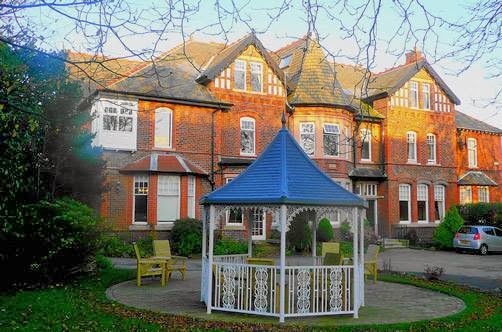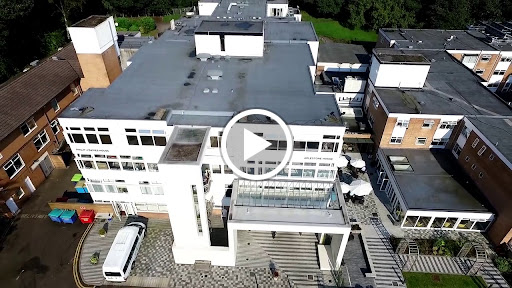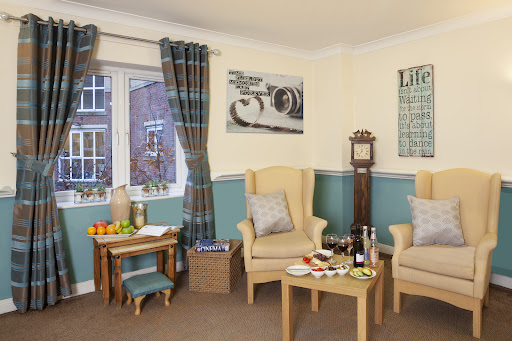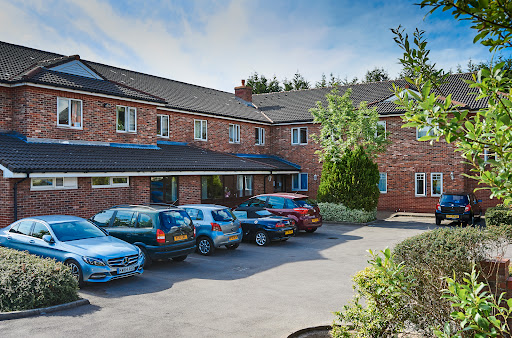
High Brake House

At a Glance
The information you need to decide whether this home warrants a closer look.
Residential homes
Staff warmth score
of reviewers answered yes
Good to know
- Registered beds35
- SpecialismsCaring for adults over 65 yrs, Caring for adults under 65 yrs, Dementia, Physical disabilities, Sensory impairment
- Last inspected2018-02-06
The Evidence
What the review data, the inspection reports, and the dementia-care evidence base tell us about this home.
What families say
The eight family priority themes
- Staff warmth52
- Compassion & dignity55
- Cleanliness55
- Activities & engagement35
- Food quality50
- Healthcare55
- Management & leadership62
- Resident happiness50
What inspectors found
Inspected 2018-02-06
Is this home safe?
Is the care effective?
Effective was rated Good at the February 2022 inspection. This domain covers care planning, staff training, healthcare access, and nutrition. The published summary does not describe the content of care plans, how often they are reviewed, what dementia training staff receive, or how GP and specialist health input is arranged. Dementia is listed as a specialism, which implies some structured approach to dementia care, but no detail is available in the published text.Is this home caring?
Caring was rated Good at the February 2022 inspection. This domain covers staff warmth, dignity, respect, and independence. No specific inspector observations, resident quotes, or relative feedback appear in the published summary. The rating indicates that inspectors were satisfied with what they saw, but the detail behind that judgement is not available in the published text.Is the home responsive?
Responsive was rated Requires Improvement at the February 2022 inspection. This is the only domain below Good and covers activities, individual engagement, response to complaints, and end-of-life care. The published summary does not explain specifically what inspectors found to be inadequate or what the home was asked to improve. The July 2023 monitoring review did not change this rating, which means it remained a concern more than a year after the inspection.Is the home well-led?
Well-led was rated Good at the February 2022 inspection. The home is run by Brierley Care Ltd, with a registered manager and a nominated individual named in the registration. Good Practice evidence suggests that a stable, visible manager is one of the strongest predictors of a home's quality trajectory. The published summary does not describe how long the current manager has been in post, how staff are supported, or how the home handles feedback and complaints.
Source: CQC inspection report →
What the evidence base says
The team supports people with dementia, mental health conditions, learning disabilities and physical disabilities. They also care for residents with sensory impairments, substance misuse problems and eating disorders, welcoming both younger adults and those over 65. For residents living with dementia, the approach centres on maintaining connections to lifelong interests. Whether someone loved painting or playing music before moving in, staff work to keep these passions alive as part of daily care. All areas worth probing directly during a visit.
The DCC Verdict
Our editorial view, built from the three lenses: what families tell us, what inspectors record, and how the home sits against good dementia-care practice.
DCC Family Score
High Brake House scores in the mid-range because the inspection report provides very little specific detail across most areas, and the Requires Improvement rating for Responsive (covering activities, individuality, and engagement) pulls the overall picture down. There is enough to suggest a broadly stable home, but not enough published evidence to rate it highly with confidence.
Homes in North West typically score 68–82.Worth a visit
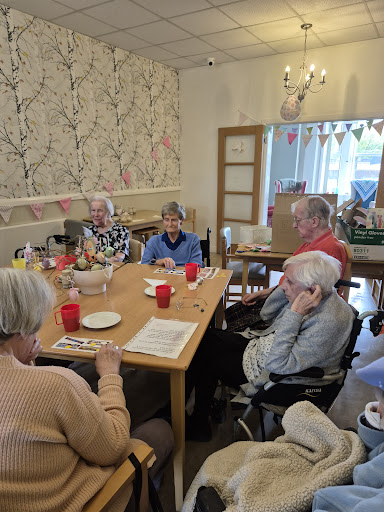
High Brake House, on Chatburn Road in Clitheroe, was rated Good overall at its last inspection in February 2022, with Good ratings across Safe, Effective, Caring, and Well-led. The one exception is Responsive, which was rated Requires Improvement. A monitoring review in July 2023 found no reason to change these ratings at that point. The main limitation for any family reading this is that the published inspection summary is very brief and contains almost no specific observations, quotes, or examples. The ratings tell you the broad picture, but they do not tell you what staff are actually like, whether the food is good, or what activities your parent would have access to. The Requires Improvement for Responsive is a real concern and deserves direct investigation when you visit. Ask to see the activity schedule, ask what happens for residents who cannot join group sessions, and spend time watching how staff interact with the people who live there.
The three questions to ask when you visitSave this home. Compare it against your shortlist.
Let our analysis show you how High Brake House measures up against the other homes you’re considering. Free account.
In Their Own Words
How High Brake House describes itself — collected from its own website. DCC has not edited or independently verified the content in this tab.
Supporting complex needs with warmth in the Ribble Valley
Residential home in Clitheroe: True Peace of Mind
High Brake House in Clitheroe brings together specialist knowledge with genuine warmth, creating a place where people with complex health needs find both professional support and personal comfort. This North West care home works with residents facing various challenges — from dementia to learning disabilities — while keeping individual preferences at the heart of daily life.
Who they care for
The team supports people with dementia, mental health conditions, learning disabilities and physical disabilities. They also care for residents with sensory impairments, substance misuse problems and eating disorders, welcoming both younger adults and those over 65.
For residents living with dementia, the approach centres on maintaining connections to lifelong interests. Whether someone loved painting or playing music before moving in, staff work to keep these passions alive as part of daily care.
“If you're considering High Brake House, arranging a visit could help you get a feel for how they work with residents facing similar challenges to your loved one.”
DCC does not edit or curate content in this tab. For independently curated information, see The Evidence and DCC Verdict.
The DCC Verdict
Our editorial view, built from the three lenses: what families tell us, what inspectors record, and how the home sits against good dementia-care practice.
DCC Family Score
High Brake House scores in the mid-range because the inspection report provides very little specific detail across most areas, and the Requires Improvement rating for Responsive (covering activities, individuality, and engagement) pulls the overall picture down. There is enough to suggest a broadly stable home, but not enough published evidence to rate it highly with confidence.
Homes in North West typically score 68–82.Worth a visit
High Brake House, on Chatburn Road in Clitheroe, was rated Good overall at its last inspection in February 2022, with Good ratings across Safe, Effective, Caring, and Well-led. The one exception is Responsive, which was rated Requires Improvement. A monitoring review in July 2023 found no reason to change these ratings at that point. The main limitation for any family reading this is that the published inspection summary is very brief and contains almost no specific observations, quotes, or examples. The ratings tell you the broad picture, but they do not tell you what staff are actually like, whether the food is good, or what activities your parent would have access to. The Requires Improvement for Responsive is a real concern and deserves direct investigation when you visit. Ask to see the activity schedule, ask what happens for residents who cannot join group sessions, and spend time watching how staff interact with the people who live there.
The three questions to ask when you visitSave this home. Compare it against your shortlist.
Let our analysis show you how High Brake House measures up against the other homes you’re considering. Free account.
In Their Own Words
How High Brake House describes itself — collected from its own website. DCC has not edited or independently verified the content in this tab.
Supporting complex needs with warmth in the Ribble Valley
Residential home in Clitheroe: True Peace of Mind
High Brake House in Clitheroe brings together specialist knowledge with genuine warmth, creating a place where people with complex health needs find both professional support and personal comfort. This North West care home works with residents facing various challenges — from dementia to learning disabilities — while keeping individual preferences at the heart of daily life.
Who they care for
The team supports people with dementia, mental health conditions, learning disabilities and physical disabilities. They also care for residents with sensory impairments, substance misuse problems and eating disorders, welcoming both younger adults and those over 65.
For residents living with dementia, the approach centres on maintaining connections to lifelong interests. Whether someone loved painting or playing music before moving in, staff work to keep these passions alive as part of daily care.
“If you're considering High Brake House, arranging a visit could help you get a feel for how they work with residents facing similar challenges to your loved one.”
DCC does not edit or curate content in this tab. For independently curated information, see The Evidence and DCC Verdict.