Littlebourne House

At a Glance
The information you need to decide whether this home warrants a closer look.
Residential homes
Staff warmth score
of reviewers answered yes
Good to know
- Registered beds65
- SpecialismsCaring for adults over 65 yrs, Dementia, Mental health conditions, Physical disabilities, Sensory impairment
- Last inspected2019-09-03
The Evidence
What the review data, the inspection reports, and the dementia-care evidence base tell us about this home.
What families say
Families describe feeling genuinely included in their loved ones' care here. The staff seem to understand that when someone moves into residential care, their relatives need support too. People talk about the warmth of the welcome and how staff take time to involve them in care routines.
The eight family priority themes
- Staff warmth72
- Compassion & dignity72
- Cleanliness70
- Activities & engagement60
- Food quality60
- Healthcare68
- Management & leadership75
- Resident happiness68
What inspectors found
Inspected 2019-09-03
Is this home safe?
Is the care effective?
The home was rated Good for effectiveness at the August 2019 inspection. This domain covers training, care planning, healthcare access, and nutritional support. The home specialises in dementia, mental health conditions, physical disabilities, and sensory impairment, which means staff training requirements are broad and significant. No specific detail about training content, care plan quality, GP access arrangements, or food and nutrition is included in the available published text.Is this home caring?
The home was rated Good for caring at the August 2019 inspection. This domain covers warmth of staff interactions, dignity, respect, privacy, and support for independence. A Good rating here means inspectors found these standards met during the inspection. The published text does not include specific observations of staff interactions, resident responses, or direct quotes from residents or relatives, so the evidence base behind the rating cannot be independently assessed from the available material.Is the home responsive?
The home was rated Good for responsiveness at the August 2019 inspection. This domain covers activities, engagement, individual preferences, and end-of-life care planning. With 65 beds and specialisms including dementia and mental health conditions, a meaningful activities programme that caters to varying levels of ability is a significant operational challenge. The published report does not include specific information about the activities programme, individual activity planning, or end-of-life care arrangements.Is the home well-led?
The home was rated Good for well-led at the August 2019 inspection, having previously been rated Requires Improvement. The registered manager, Mrs Janet Young, is also the nominated individual for the provider organisation, meaning she holds direct accountability at both operational and regulatory level. This level of personal accountability is associated with stable, consistent leadership. No specific detail about governance processes, staff culture, complaint handling, or family communication is included in the published text.
Source: CQC inspection report →
What the evidence base says
The home provides specialist support for people living with dementia, as well as those with sensory impairments, mental health conditions, and physical disabilities. For those living with dementia, the home's approach to including families in care routines can be particularly valuable. Staff seem to understand the importance of maintaining family connections through this difficult journey. All areas worth probing directly during a visit.
The DCC Verdict
Our editorial view, built from the three lenses: what families tell us, what inspectors record, and how the home sits against good dementia-care practice.
DCC Family Score
Littlebourne House improved from Requires Improvement to Good across all five domains at its last inspection, which is a meaningful positive signal. However, the published report contains very limited specific detail, so most scores reflect a solid but unverified Good rating rather than richly evidenced practice.
Homes in South East typically score 68–82.The three-lens summary
What families tell us
Families describe feeling genuinely included in their loved ones' care here. The staff seem to understand that when someone moves into residential care, their relatives need support too. People talk about the warmth of the welcome and how staff take time to involve them in care routines.
What inspectors have recorded
Most families speak well of the staff's commitment and work ethic. They describe a team that works hard and shows genuine care for residents. There has been a concern raised about overnight staff conduct that the home will want to address, but the overall picture from families is of dedicated daytime staff who put effort into their work.
How it sits against good practice
The home also offers respite care, which has helped at least one family feel confident about future permanent placement.
Worth a visit
Littlebourne House Residential Care Home, on High Street in Canterbury, was rated Good across all five inspection domains when assessed in August 2019. That rating represented a genuine improvement from its previous Requires Improvement rating, meaning inspectors found the home had addressed earlier concerns across safety, staffing, care quality, activities, and leadership. The registered manager, Mrs Janet Young, holds personal accountability as both the registered manager and the nominated individual, which points to a directly involved, hands-on approach to running the home. The main uncertainty here is time. The inspection took place in August 2019, which means the published findings are now over five years old. A desk-based review in July 2023 found no reason to change the rating, but that is not the same as a full re-inspection. A great deal can change in five years, including staffing, management, and the needs of the people living there. When you visit, ask to see the most recent staffing rota, ask about night cover specifically, and ask how the home supports residents whose dementia has progressed since they moved in. Observe whether staff interactions feel unhurried and whether residents appear settled.
The three questions to ask when you visitSave this home. Compare it against your shortlist.
Let our analysis show you how Littlebourne House measures up against the other homes you’re considering. Free account.
In Their Own Words
How Littlebourne House describes itself — collected from its own website. DCC has not edited or independently verified the content in this tab.
Where families feel genuinely welcomed into daily care routines
Dedicated residential home Support in Canterbury
When you're searching for the right care home, you want somewhere that understands your whole family is affected by this transition. Littlebourne House Residential Care Home in Canterbury has built its approach around welcoming families into the care journey. This well-maintained home specialises in supporting people with dementia, sensory impairments, mental health conditions, and physical disabilities.
Who they care for
The home provides specialist support for people living with dementia, as well as those with sensory impairments, mental health conditions, and physical disabilities.
For those living with dementia, the home's approach to including families in care routines can be particularly valuable. Staff seem to understand the importance of maintaining family connections through this difficult journey.
“The home also offers respite care, which has helped at least one family feel confident about future permanent placement.”
DCC does not edit or curate content in this tab. For independently curated information, see The Evidence and DCC Verdict.
The DCC Verdict
Our editorial view, built from the three lenses: what families tell us, what inspectors record, and how the home sits against good dementia-care practice.
DCC Family Score
Littlebourne House improved from Requires Improvement to Good across all five domains at its last inspection, which is a meaningful positive signal. However, the published report contains very limited specific detail, so most scores reflect a solid but unverified Good rating rather than richly evidenced practice.
Homes in South East typically score 68–82.The three-lens summary
What families tell us
Families describe feeling genuinely included in their loved ones' care here. The staff seem to understand that when someone moves into residential care, their relatives need support too. People talk about the warmth of the welcome and how staff take time to involve them in care routines.
What inspectors have recorded
Most families speak well of the staff's commitment and work ethic. They describe a team that works hard and shows genuine care for residents. There has been a concern raised about overnight staff conduct that the home will want to address, but the overall picture from families is of dedicated daytime staff who put effort into their work.
How it sits against good practice
The home also offers respite care, which has helped at least one family feel confident about future permanent placement.
Worth a visit
Littlebourne House Residential Care Home, on High Street in Canterbury, was rated Good across all five inspection domains when assessed in August 2019. That rating represented a genuine improvement from its previous Requires Improvement rating, meaning inspectors found the home had addressed earlier concerns across safety, staffing, care quality, activities, and leadership. The registered manager, Mrs Janet Young, holds personal accountability as both the registered manager and the nominated individual, which points to a directly involved, hands-on approach to running the home. The main uncertainty here is time. The inspection took place in August 2019, which means the published findings are now over five years old. A desk-based review in July 2023 found no reason to change the rating, but that is not the same as a full re-inspection. A great deal can change in five years, including staffing, management, and the needs of the people living there. When you visit, ask to see the most recent staffing rota, ask about night cover specifically, and ask how the home supports residents whose dementia has progressed since they moved in. Observe whether staff interactions feel unhurried and whether residents appear settled.
The three questions to ask when you visitSave this home. Compare it against your shortlist.
Let our analysis show you how Littlebourne House measures up against the other homes you’re considering. Free account.
In Their Own Words
How Littlebourne House describes itself — collected from its own website. DCC has not edited or independently verified the content in this tab.
Where families feel genuinely welcomed into daily care routines
Dedicated residential home Support in Canterbury
When you're searching for the right care home, you want somewhere that understands your whole family is affected by this transition. Littlebourne House Residential Care Home in Canterbury has built its approach around welcoming families into the care journey. This well-maintained home specialises in supporting people with dementia, sensory impairments, mental health conditions, and physical disabilities.
Who they care for
The home provides specialist support for people living with dementia, as well as those with sensory impairments, mental health conditions, and physical disabilities.
For those living with dementia, the home's approach to including families in care routines can be particularly valuable. Staff seem to understand the importance of maintaining family connections through this difficult journey.
Management & ethos
Most families speak well of the staff's commitment and work ethic. They describe a team that works hard and shows genuine care for residents. There has been a concern raised about overnight staff conduct that the home will want to address, but the overall picture from families is of dedicated daytime staff who put effort into their work.
The home & environment
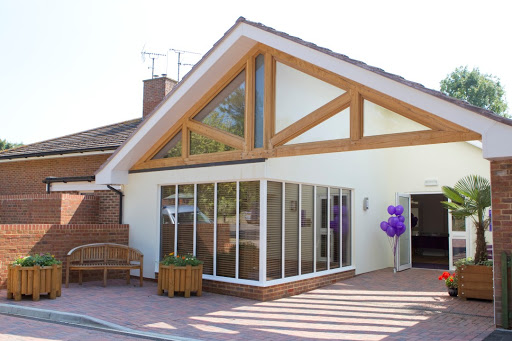
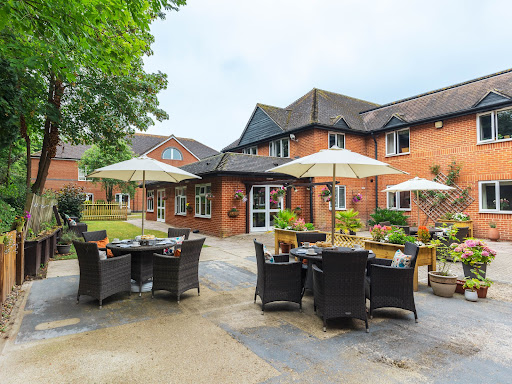
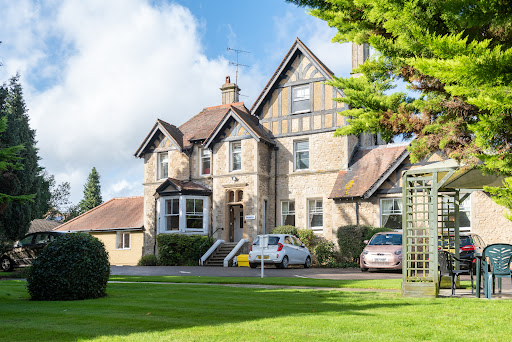
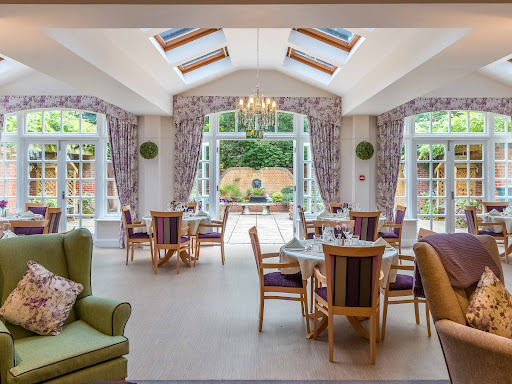
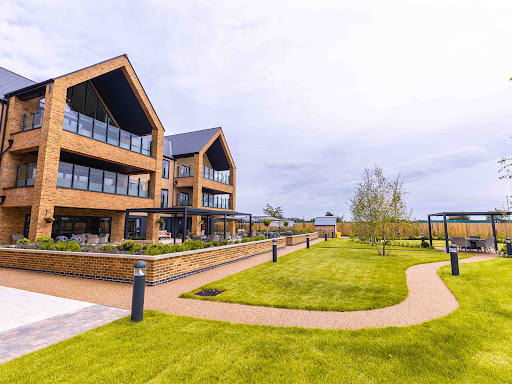
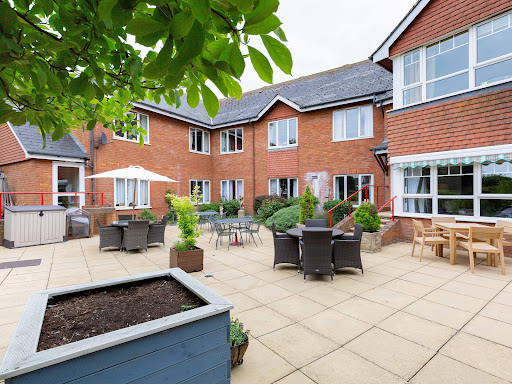
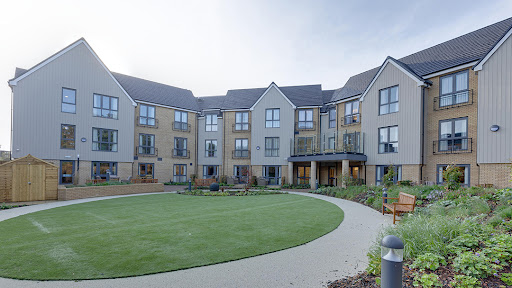
The home sits in attractive, well-kept grounds that families appreciate. The physical environment gets consistent praise for being both beautiful and properly maintained — something that matters when you're looking for somewhere that feels cared for.
“The home also offers respite care, which has helped at least one family feel confident about future permanent placement.”
DCC does not edit or curate content in this tab. For independently curated information, see The Evidence and DCC Verdict.