Risby Park Nursing Home

At a Glance
The information you need to decide whether this home warrants a closer look.
Nursing homes
Staff warmth score
of reviewers answered yes
Good to know
- Registered beds34
- SpecialismsCaring for adults over 65 yrs, Caring for adults under 65 yrs, Dementia, Physical disabilities
- Last inspected2020-04-16
The Evidence
What the review data, the inspection reports, and the dementia-care evidence base tell us about this home.
What families say
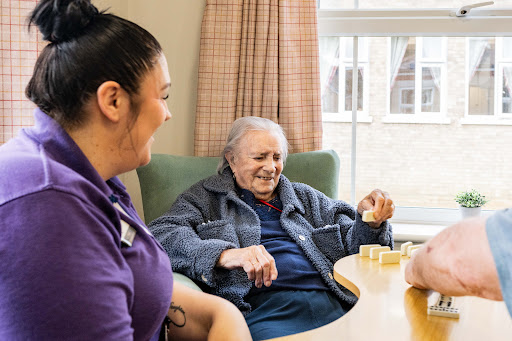
Families talk about walking into a place that feels more like a welcoming household than a clinical setting. They describe staff who remember the small things that matter to each resident, creating an atmosphere where people feel genuinely valued rather than just cared for.
The eight family priority themes
- Staff warmth65
- Compassion & dignity65
- Cleanliness55
- Activities & engagement60
- Food quality60
- Healthcare55
- Management & leadership65
- Resident happiness60
What inspectors found
Inspected 2020-04-16
Is this home safe?
Is the care effective?
The Effective domain is rated Good, which covers how well the home understands and meets your parent's individual needs, including care planning, access to healthcare professionals, nutrition, and staff training. For a home specialising in dementia care, this domain also encompasses how well staff are trained to support people living with cognitive decline. A Good rating suggests inspectors were broadly satisfied with the systems in place, though without the full inspection text we cannot confirm the specific evidence that underpinned this judgement. The home's dementia specialism means that the quality of dementia-specific training and care planning should be a particular focus for your questions.Is this home caring?
The Caring domain is rated Good, which is the domain most directly concerned with whether your parent is treated with warmth, respect, and dignity on a daily basis. Inspectors assessing Caring look for evidence that staff know residents as individuals, that privacy is protected, that residents are not rushed, and that people are supported to maintain as much independence as possible. A Good rating suggests these elements were broadly present. Because the full inspection text is not available, we cannot share specific observations or quotes from residents and families that would normally bring this rating to life. What the rating tells us is that inspectors did not identify significant concerns about how staff treated the people in their care.Is the home responsive?
The Responsive domain is rated Good, covering whether your parent will have a meaningful life at this home — including activities, individual engagement, how the home responds to complaints, and end-of-life planning. For a home specialising in dementia care, Responsive care means activities that are adapted to different stages of dementia, not just group entertainment that excludes people with more advanced needs. A Good rating suggests inspectors found adequate evidence of responsiveness to individual needs, though without the full report we cannot confirm whether one-to-one activities, dementia-specific programming, or end-of-life documentation were specifically assessed.Is the home well-led?
The Well-Led domain is rated Good, suggesting that inspectors were broadly satisfied with the management culture, governance systems, and accountability structures at this home. Well-Led covers whether the manager is visible and approachable, whether staff feel able to raise concerns, whether the home learns from incidents and complaints, and whether there is a clear sense of direction. A Good rating here is particularly important context for the Requires Improvement in Safety — it suggests the management team is aware of and engaged with the safety issues, rather than unaware or dismissive. However, the home's decline from Outstanding means leadership stability and strategic direction are important questions to explore.
Source: CQC inspection report →
What the evidence base says
The home provides specialist nursing care for older adults and those under 65 with physical disabilities. Their dementia care forms a core part of their service. For residents living with dementia, the team focuses on creating meaningful daily connections. Families describe staff who understand that emotional warmth can be just as important as clinical expertise when supporting someone through their dementia journey. All areas worth probing directly during a visit.
The DCC Verdict
Our editorial view, built from the three lenses: what families tell us, what inspectors record, and how the home sits against good dementia-care practice.
DCC Family Score
This home's overall Good rating across most domains is offset by a Requires Improvement in Safety, and the fact that it has declined from a previous Outstanding rating raises important questions that families need to explore directly with the home.
Homes in East typically score 68–82.The three-lens summary
What families tell us
Families talk about walking into a place that feels more like a welcoming household than a clinical setting. They describe staff who remember the small things that matter to each resident, creating an atmosphere where people feel genuinely valued rather than just cared for.
What inspectors have recorded
What stands out in family feedback is how staff maintain their compassionate approach even during busy periods. Relatives describe a team that stays approachable and responsive, with particular praise for the sensitive support provided during end-of-life care, including personal presence when it matters most.
How it sits against good practice
Sometimes the right care home is the one where staff genuinely care about the person behind the diagnosis.
Worth a visit
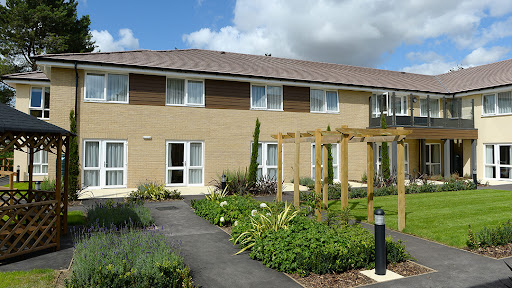
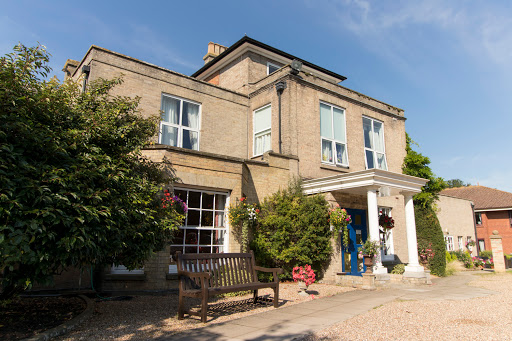
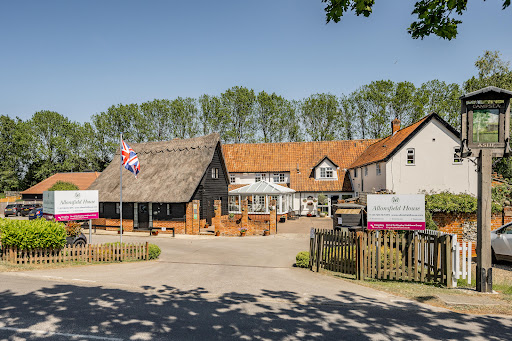
This nursing home on the outskirts of Bury St Edmunds holds an overall Good rating from its most recent official inspection, carried out in April 2020. It supports up to 34 people, including those living with dementia and physical disabilities, across both under- and over-65 age groups. Four of its five inspection domains — Effective, Caring, Responsive, and Well-Led — are rated Good, which suggests that day-to-day care, kindness, activities, and management are broadly functioning as they should. However, the Safety domain is rated Requires Improvement, which is a significant concern for any family and needs direct, honest conversation with the home before you decide. The most important context here is that this home has declined from a previous Outstanding rating. That trajectory — from Outstanding to Good overall, with a Requires Improvement in Safety — is the central question you need answered. Ask the manager directly: what went wrong in Safety, what has changed since the inspection, and what evidence can they show you that things have improved? Because the full inspection report was not available for this analysis, we cannot tell you whether the safety issues relate to staffing levels, medicines management, falls, or something else. Visit at an unannounced time if possible, ask to speak with a senior carer on the dementia unit, and specifically ask: how many permanent staff work nights on this unit, and how often do you use agency staff?
The three questions to ask when you visitSave this home. Compare it against your shortlist.
Let our analysis show you how Risby Park Nursing Home measures up against the other homes you’re considering. Free account.
In Their Own Words
How Risby Park Nursing Home describes itself — collected from its own website. DCC has not edited or independently verified the content in this tab.
Where genuine kindness meets professional dementia expertise in Suffolk
Dedicated nursing home Support in Bury St Edmunds
At Risby Hall Nursing Home in Bury St Edmunds, families describe discovering something special — staff who bring authentic warmth to skilled nursing care. This established home supports residents with dementia, physical disabilities, and complex health needs, with a team that families say creates real connections with those they care for.
Who they care for
The home provides specialist nursing care for older adults and those under 65 with physical disabilities. Their dementia care forms a core part of their service.
For residents living with dementia, the team focuses on creating meaningful daily connections. Families describe staff who understand that emotional warmth can be just as important as clinical expertise when supporting someone through their dementia journey.
“Sometimes the right care home is the one where staff genuinely care about the person behind the diagnosis.”
DCC does not edit or curate content in this tab. For independently curated information, see The Evidence and DCC Verdict.
The DCC Verdict
Our editorial view, built from the three lenses: what families tell us, what inspectors record, and how the home sits against good dementia-care practice.
DCC Family Score
This home's overall Good rating across most domains is offset by a Requires Improvement in Safety, and the fact that it has declined from a previous Outstanding rating raises important questions that families need to explore directly with the home.
Homes in East typically score 68–82.The three-lens summary
What families tell us
Families talk about walking into a place that feels more like a welcoming household than a clinical setting. They describe staff who remember the small things that matter to each resident, creating an atmosphere where people feel genuinely valued rather than just cared for.
What inspectors have recorded
What stands out in family feedback is how staff maintain their compassionate approach even during busy periods. Relatives describe a team that stays approachable and responsive, with particular praise for the sensitive support provided during end-of-life care, including personal presence when it matters most.
How it sits against good practice
Sometimes the right care home is the one where staff genuinely care about the person behind the diagnosis.
Worth a visit
This nursing home on the outskirts of Bury St Edmunds holds an overall Good rating from its most recent official inspection, carried out in April 2020. It supports up to 34 people, including those living with dementia and physical disabilities, across both under- and over-65 age groups. Four of its five inspection domains — Effective, Caring, Responsive, and Well-Led — are rated Good, which suggests that day-to-day care, kindness, activities, and management are broadly functioning as they should. However, the Safety domain is rated Requires Improvement, which is a significant concern for any family and needs direct, honest conversation with the home before you decide. The most important context here is that this home has declined from a previous Outstanding rating. That trajectory — from Outstanding to Good overall, with a Requires Improvement in Safety — is the central question you need answered. Ask the manager directly: what went wrong in Safety, what has changed since the inspection, and what evidence can they show you that things have improved? Because the full inspection report was not available for this analysis, we cannot tell you whether the safety issues relate to staffing levels, medicines management, falls, or something else. Visit at an unannounced time if possible, ask to speak with a senior carer on the dementia unit, and specifically ask: how many permanent staff work nights on this unit, and how often do you use agency staff?
The three questions to ask when you visitSave this home. Compare it against your shortlist.
Let our analysis show you how Risby Park Nursing Home measures up against the other homes you’re considering. Free account.
In Their Own Words
How Risby Park Nursing Home describes itself — collected from its own website. DCC has not edited or independently verified the content in this tab.
Where genuine kindness meets professional dementia expertise in Suffolk
Dedicated nursing home Support in Bury St Edmunds
At Risby Hall Nursing Home in Bury St Edmunds, families describe discovering something special — staff who bring authentic warmth to skilled nursing care. This established home supports residents with dementia, physical disabilities, and complex health needs, with a team that families say creates real connections with those they care for.
Who they care for
The home provides specialist nursing care for older adults and those under 65 with physical disabilities. Their dementia care forms a core part of their service.
For residents living with dementia, the team focuses on creating meaningful daily connections. Families describe staff who understand that emotional warmth can be just as important as clinical expertise when supporting someone through their dementia journey.
Management & ethos
What stands out in family feedback is how staff maintain their compassionate approach even during busy periods. Relatives describe a team that stays approachable and responsive, with particular praise for the sensitive support provided during end-of-life care, including personal presence when it matters most.
“Sometimes the right care home is the one where staff genuinely care about the person behind the diagnosis.”
DCC does not edit or curate content in this tab. For independently curated information, see The Evidence and DCC Verdict.