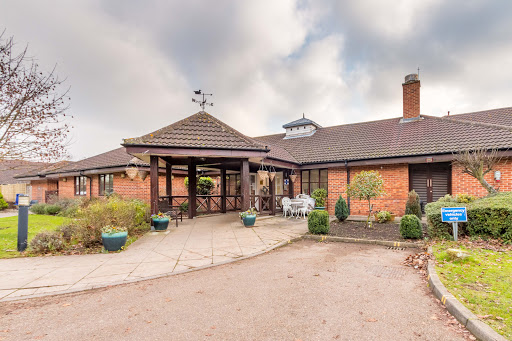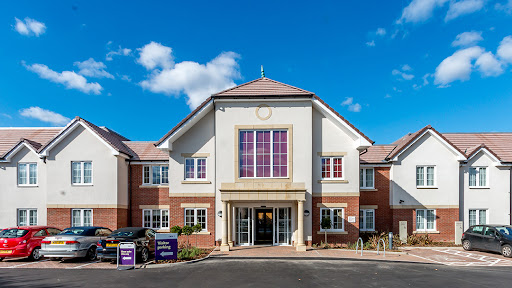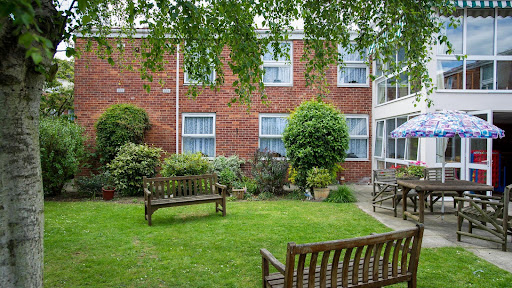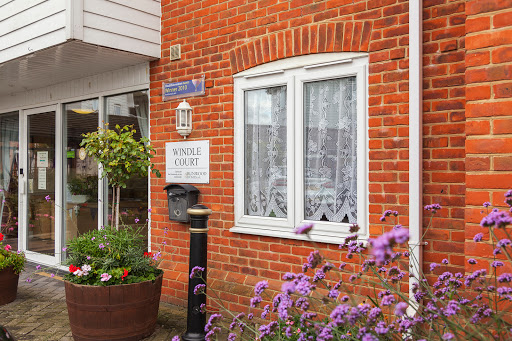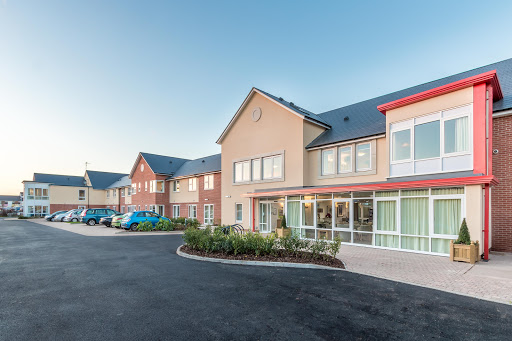
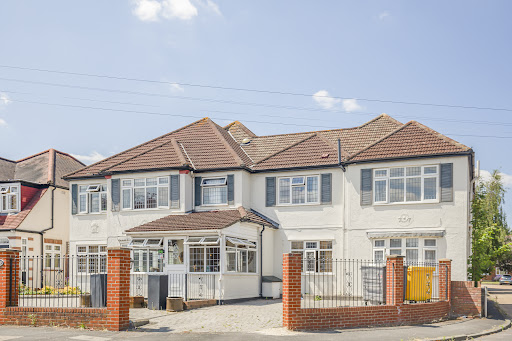
Ashgrove Residential Care Home
At a Glance
The information you need to decide whether this home warrants a closer look.
Residential homes
Staff warmth score
of reviewers answered yes
Good to know
- Registered beds26
- SpecialismsCaring for adults over 65 yrs, Dementia
- Last inspected2023-06-09
The Evidence
What the review data, the inspection reports, and the dementia-care evidence base tell us about this home.
What families say
The eight family priority themes
- Staff warmth72
- Compassion & dignity72
- Cleanliness72
- Activities & engagement65
- Food quality60
- Healthcare65
- Management & leadership75
- Resident happiness70
What inspectors found
Inspected 2023-06-09
Is this home safe?
Is the care effective?
The Effective domain was rated Good, indicating inspectors were satisfied with how well the home translates its knowledge into practice — covering areas such as care planning, dementia training, nutrition, hydration, and access to healthcare. The home is registered as a dementia specialist, which means inspectors will have looked at whether staff training and care approaches are appropriate for this group. No specific detail about training content, care plan quality, or GP access is available in the published summary. The previous Requires Improvement rating may have included concerns in this domain that have since been addressed.Is this home caring?
The Caring domain was rated Good, suggesting inspectors found that staff treated people with kindness, respect, and dignity. For a dementia specialist home, this domain carries particular weight — inspectors typically look at how staff communicate with people who cannot easily advocate for themselves, whether residents are addressed by their preferred names, and whether care is unhurried. No direct quotes from residents or relatives are available in the published summary, and no specific observations of staff interactions are described. The Good rating is positive, but families should look beyond it on a visit., The Caring domain was rated Good, suggesting inspectors found that staff treated people with kindness, respect, and dignity. For a dementia specialist home, this domain carries particular weight — inspectors typically look at how staff communicate with people who cannot easily advocate for themselves, whether residents are addressed by their preferred names, and whether care is unhurried. No direct quotes from residents or relatives are available in the published summary, and no specific observations of staff interactions are described. The Good rating is positive, but families should look beyond it on a visit.Is the home responsive?
The Responsive domain was rated Good, indicating inspectors were satisfied that the home responds to individual needs and preferences — including activity provision, flexibility in routines, and end-of-life care planning. For a dementia specialist home with 26 beds, this domain also covers whether the environment and daily rhythms are designed around residents rather than around staff convenience. No specific information about the activity programme, individual engagement, or end-of-life planning is available in the published text. The small size of the home — 26 beds — can be an advantage in responsiveness, as smaller homes often allow more individualised care., The Responsive domain was rated Good, indicating inspectors were satisfied that the home responds to individual needs and preferences — including activity provision, flexibility in routines, and end-of-life care planning. For a dementia specialist home with 26 beds, this domain also covers whether the environment and daily rhythms are designed around residents rather than around staff convenience. No specific information about the activity programme, individual engagement, or end-of-life planning is available in the published text. The small size of the home — 26 beds — can be an advantage in responsiveness, as smaller homes often allow more individualised care.Is the home well-led?
The Well-led domain was rated Good, and the home is led by a named Registered Manager (Mrs Umadevi Panicker) with a Nominated Individual (Mrs Rajakala Elango) also confirmed in post. The improvement from a prior Requires Improvement rating across all domains is itself a leadership achievement — it indicates that problems were identified, plans were made, and changes were sustained long enough to satisfy inspectors. Good Practice research consistently identifies leadership stability as one of the strongest predictors of a home's ongoing quality trajectory. No specific detail about the management culture, staff empowerment, or governance processes is available in the published summary., The Well-led domain was rated Good, and the home is led by a named Registered Manager (Mrs Umadevi Panicker) with a Nominated Individual (Mrs Rajakala Elango) also confirmed in post. The improvement from a prior Requires Improvement rating across all domains is itself a leadership achievement — it indicates that problems were identified, plans were made, and changes were sustained long enough to satisfy inspectors. Good Practice research consistently identifies leadership stability as one of the strongest predictors of a home's ongoing quality trajectory. No specific detail about the management culture, staff empowerment, or governance processes is available in the published summary.
Source: CQC inspection report →
What the evidence base says
The team at Ashgrove specialises in dementia care, understanding how to support residents through the challenges this condition brings. They also provide residential care for adults over 65 who need help with daily living. With dementia as a core specialism, the home tailors its approach to meet the specific needs of residents living with memory loss. Staff are trained to provide the patient, understanding care that dementia requires. All areas worth probing directly during a visit.
The DCC Verdict
Our editorial view, built from the three lenses: what families tell us, what inspectors record, and how the home sits against good dementia-care practice.
DCC Family Score
Ashgrove has moved from Requires Improvement to a fully Good rating across all five domains — a meaningful turnaround — but the published inspection text provides limited specific detail, so many scores reflect positive but general findings rather than rich, verified evidence.
Homes in London typically score 68–82.Worth a visit
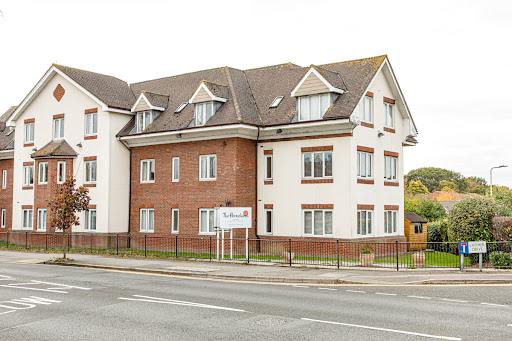
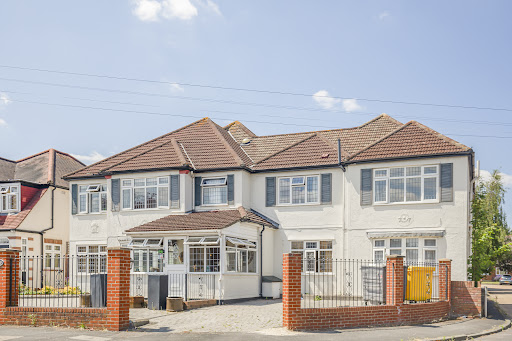
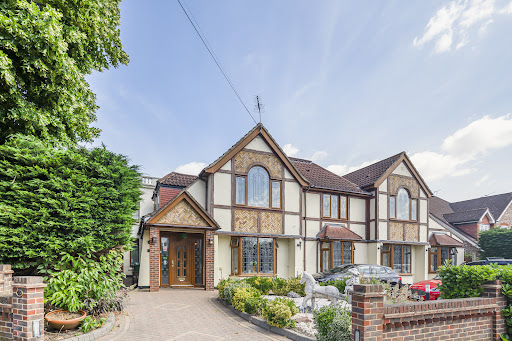
Ashgrove Residential Care Home, a 26-bed specialist dementia and older adults home in Hornchurch, was inspected in May 2023 and rated Good across all five domains — Safe, Effective, Caring, Responsive, and Well-led. Crucially, this represents a genuine improvement from a previous Requires Improvement rating, meaning inspectors found that concerns had been identified and meaningfully addressed. The home is led by a named Registered Manager and Nominated Individual, and the consistent Good rating across every domain indicates a stable, functioning service at the time of inspection. The main limitation for families is that the published inspection text provides very limited specific detail — no direct quotes from residents or relatives, no staffing numbers, no descriptions of daily life or the physical environment. That means most of what families most want to know — what happens at night, how staff respond when your dad is distressed, whether your mum would have someone to sit with her one-to-one — cannot be answered from this report alone. When you visit, ask specifically: how many staff are on the unit after 8pm, what proportion are permanent rather than agency, and how do they support someone who cannot join group activities? A home that has genuinely improved will have confident, specific answers to these questions.
The three questions to ask when you visitSave this home. Compare it against your shortlist.
Let our analysis show you how Ashgrove Residential Care Home measures up against the other homes you’re considering. Free account.
In Their Own Words
How Ashgrove Residential Care Home describes itself — collected from its own website. DCC has not edited or independently verified the content in this tab.
Caring for older residents with dementia in Hornchurch
Dedicated residential home Support in Hornchurch
When dementia changes everything, finding the right care becomes crucial. Ashgrove Residential Care Home in Hornchurch provides specialist support for older adults living with dementia, alongside general care for those over 65. The home focuses on creating a supportive environment where residents receive attentive personal care.
Who they care for
The team at Ashgrove specialises in dementia care, understanding how to support residents through the challenges this condition brings. They also provide residential care for adults over 65 who need help with daily living.
With dementia as a core specialism, the home tailors its approach to meet the specific needs of residents living with memory loss. Staff are trained to provide the patient, understanding care that dementia requires.
“To truly understand if Ashgrove could be right for your family member, nothing beats seeing the home yourself and meeting the team who would care for them.”
DCC does not edit or curate content in this tab. For independently curated information, see The Evidence and DCC Verdict.
The DCC Verdict
Our editorial view, built from the three lenses: what families tell us, what inspectors record, and how the home sits against good dementia-care practice.
DCC Family Score
Ashgrove has moved from Requires Improvement to a fully Good rating across all five domains — a meaningful turnaround — but the published inspection text provides limited specific detail, so many scores reflect positive but general findings rather than rich, verified evidence.
Homes in London typically score 68–82.Worth a visit
Ashgrove Residential Care Home, a 26-bed specialist dementia and older adults home in Hornchurch, was inspected in May 2023 and rated Good across all five domains — Safe, Effective, Caring, Responsive, and Well-led. Crucially, this represents a genuine improvement from a previous Requires Improvement rating, meaning inspectors found that concerns had been identified and meaningfully addressed. The home is led by a named Registered Manager and Nominated Individual, and the consistent Good rating across every domain indicates a stable, functioning service at the time of inspection. The main limitation for families is that the published inspection text provides very limited specific detail — no direct quotes from residents or relatives, no staffing numbers, no descriptions of daily life or the physical environment. That means most of what families most want to know — what happens at night, how staff respond when your dad is distressed, whether your mum would have someone to sit with her one-to-one — cannot be answered from this report alone. When you visit, ask specifically: how many staff are on the unit after 8pm, what proportion are permanent rather than agency, and how do they support someone who cannot join group activities? A home that has genuinely improved will have confident, specific answers to these questions.
The three questions to ask when you visitSave this home. Compare it against your shortlist.
Let our analysis show you how Ashgrove Residential Care Home measures up against the other homes you’re considering. Free account.
In Their Own Words
How Ashgrove Residential Care Home describes itself — collected from its own website. DCC has not edited or independently verified the content in this tab.
Caring for older residents with dementia in Hornchurch
Dedicated residential home Support in Hornchurch
When dementia changes everything, finding the right care becomes crucial. Ashgrove Residential Care Home in Hornchurch provides specialist support for older adults living with dementia, alongside general care for those over 65. The home focuses on creating a supportive environment where residents receive attentive personal care.
Who they care for
The team at Ashgrove specialises in dementia care, understanding how to support residents through the challenges this condition brings. They also provide residential care for adults over 65 who need help with daily living.
With dementia as a core specialism, the home tailors its approach to meet the specific needs of residents living with memory loss. Staff are trained to provide the patient, understanding care that dementia requires.
“To truly understand if Ashgrove could be right for your family member, nothing beats seeing the home yourself and meeting the team who would care for them.”
DCC does not edit or curate content in this tab. For independently curated information, see The Evidence and DCC Verdict.