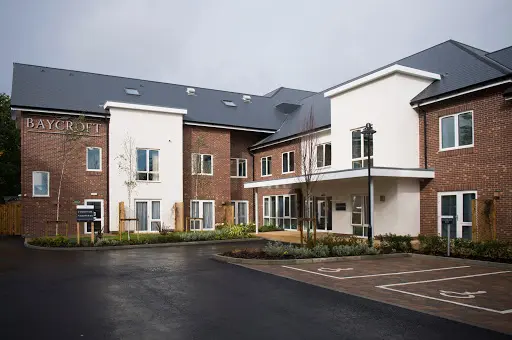
Baycroft Flitwick Care Home
At a Glance
The information you need to decide whether this home warrants a closer look.
Nursing homes
Staff warmth score
of reviewers answered yes
Good to know
- Registered beds75
- SpecialismsCaring for adults over 65 yrs, Caring for adults under 65 yrs, Dementia, Mental health conditions, Physical disabilities, Sensory impairment
- Last inspected2025-10-02
Save Baycroft Flitwick Care Home to your shortlist
Keep a running list, add visit notes, and compare homes side-by-side. Free account — it takes a minute.
STAGE 4 — RESEARCHING CARE HOMES
Visit homes. Compare them side by side. Choose with confidence.
Most of us will view care homes the way we view houses, impression, atmosphere, the feeling in the corridor. We go home, try to remember what we saw, and make a permanent decision from a blurred memory.

The DCC shortlist gives every home you visit a structured record: the same twelve questions, answered the same way, every time. When you’re ready to choose, pull any two homes side by side and compare them directly. Same criteria, same evidence, your notes and your scores.
The Evidence
What the review data, the inspection reports, and the dementia-care evidence base tell us about this home.
What families say
Visitors often mention the warmth they feel when arriving at the home. Staff take time to answer questions properly, and there's a sense that carers genuinely enjoy what they do. Several families have watched their relatives become more sociable and engaged after moving in, particularly those living with dementia who'd been withdrawn or anxious elsewhere.
The eight family priority themes
- Staff warmth65
- Compassion & dignity65
- Cleanliness65
- Activities & engagement50
- Food quality55
- Healthcare65
- Management & leadership40
- Resident happiness60
What inspectors found
Inspected 2025-10-02 Report published 2025-10-02
Is this home safe?
Is the care effective?
The Effective domain was rated Good at the October 2025 inspection, indicating that care planning, training, and healthcare access met the required standard. The home lists dementia as a core specialism alongside mental health conditions, physical disabilities, and sensory impairments, which implies a level of staff training across multiple needs. The published report does not include specific detail about care plan content, GP access frequency, or dementia training curricula. Food quality and dietary support are not described in the available findings.Is this home caring?
Caring was rated Good at the October 2025 inspection. This is the domain that most directly reflects staff kindness, the pace of interactions, and whether your parent would be treated with dignity and respect. The published report does not include specific inspector observations of interactions or direct quotes from people living at the home or their relatives. The rating alone suggests the standard was met, but the absence of narrative detail means the evidence is limited to a domain-level judgement.Is the home responsive?
The responsive domain was not yet rated at the October 2025 inspection. This means there is no official inspection view on activities, engagement, how the home responds to individual preferences, or end-of-life care planning. This is a significant gap for families considering a home that lists dementia and mental health conditions as specialisms, since meaningful activity and individualised engagement are particularly important for these groups. The home cannot currently demonstrate an externally validated standard in this area.Is the home well-led?
Well-led was rated Requires Improvement at the October 2025 inspection. This is the one domain where inspectors identified concerns, and it relates to the leadership, governance, and accountability structures of the home. Two managers are listed: Mrs Corina Zenta Ashby as registered manager and Mrs Helen Louise Richmond as nominated individual. The published report does not describe the specific reasons for the Requires Improvement rating, which means the nature and seriousness of the concerns cannot be assessed from the available text. Families should treat this rating as a prompt to ask direct questions rather than as evidence of a crisis.
Source: CQC inspection report →
What the evidence base says
The home cares for adults of all ages with dementia, mental health conditions, physical disabilities, and sensory impairments. The team has developed particular expertise in supporting people who need to rebuild their confidence after difficult experiences in other care settings. Families describe successful transitions for people with dementia who were previously unsettled or unhappy in other settings. The team understands how to create the sense of security and routine that helps people with dementia feel calmer and more like themselves. All areas worth probing directly during a visit.
The DCC Verdict
Our editorial view, built from the three lenses: what families tell us, what inspectors record, and how the home sits against good dementia-care practice.
DCC Family Score
Baycroft Flitwick scores in the mid-range, reflecting three Good domain ratings that suggest decent everyday care, offset by a Requires Improvement in well-led and a Not Yet Rated responsive domain, both of which limit confidence in leadership stability and activity provision.
Homes in East typically score 68–82.The three-lens summary
What families tell us
Visitors often mention the warmth they feel when arriving at the home. Staff take time to answer questions properly, and there's a sense that carers genuinely enjoy what they do. Several families have watched their relatives become more sociable and engaged after moving in, particularly those living with dementia who'd been withdrawn or anxious elsewhere.
What inspectors have recorded
The team shows real understanding of dementia transitions, helping residents settle when they've had difficult experiences elsewhere. Staff communicate regularly with families about their relative's progress, and carers are consistently described as approachable and responsive to concerns.
How it sits against good practice
If you're considering Baycroft Flitwick, it's worth arranging a visit to see how the team works with residents who have similar needs to your loved one.
Worth a visit
Baycroft Flitwick, assessed on 2 October 2025 and rated Good overall, achieved Good ratings across Safe, Effective, and Caring, which is a broadly positive picture for the day-to-day experience of people living there. The Caring rating in particular suggests that staff interactions met inspection standards. The home supports a wide range of needs including dementia, mental health conditions, physical disabilities, and sensory impairments, and is run by Country Court Care Homes 6 Limited. The main area requiring attention is the Requires Improvement rating in well-led, which signals that leadership and governance arrangements did not fully meet the required standard at the time of inspection. The responsive domain was not yet rated, meaning there is no official view on activities, engagement, or how the home responds to individual preferences. Before visiting, prepare questions about the registered manager's tenure and what specific improvements have been made since October 2025. On the visit itself, observe whether the manager is visible on the floor, ask to see recent activity records, and request clarity on night staffing ratios for a 75-bed home.
The three questions to ask when you visitSave this home. Compare it against your shortlist.
Let our analysis show you how Baycroft Flitwick Care Home measures up against the other homes you’re considering. Free account.
In Their Own Words
How Baycroft Flitwick Care Home describes itself — collected from its own website. DCC has not edited or independently verified the content in this tab.
Where residents rediscover their spark through thoughtful dementia care
Baycroft Flitwick – Expert Care in Flitwick
When someone you love needs specialist care, you want them somewhere that feels right from the moment you walk through the door. Baycroft Flitwick in Flitwick offers dementia care alongside support for mental health conditions and physical disabilities. Families speak about seeing their relatives flourish here, particularly those who've struggled in previous care settings.
Who they care for
The home cares for adults of all ages with dementia, mental health conditions, physical disabilities, and sensory impairments. The team has developed particular expertise in supporting people who need to rebuild their confidence after difficult experiences in other care settings.
Families describe successful transitions for people with dementia who were previously unsettled or unhappy in other settings. The team understands how to create the sense of security and routine that helps people with dementia feel calmer and more like themselves.
“If you're considering Baycroft Flitwick, it's worth arranging a visit to see how the team works with residents who have similar needs to your loved one.”
DCC does not edit or curate content in this tab. For independently curated information, see The Evidence and DCC Verdict.
The DCC Verdict
Our editorial view, built from the three lenses: what families tell us, what inspectors record, and how the home sits against good dementia-care practice.
DCC Family Score
Baycroft Flitwick scores in the mid-range, reflecting three Good domain ratings that suggest decent everyday care, offset by a Requires Improvement in well-led and a Not Yet Rated responsive domain, both of which limit confidence in leadership stability and activity provision.
Homes in East typically score 68–82.The three-lens summary
What families tell us
Visitors often mention the warmth they feel when arriving at the home. Staff take time to answer questions properly, and there's a sense that carers genuinely enjoy what they do. Several families have watched their relatives become more sociable and engaged after moving in, particularly those living with dementia who'd been withdrawn or anxious elsewhere.
What inspectors have recorded
The team shows real understanding of dementia transitions, helping residents settle when they've had difficult experiences elsewhere. Staff communicate regularly with families about their relative's progress, and carers are consistently described as approachable and responsive to concerns.
How it sits against good practice
If you're considering Baycroft Flitwick, it's worth arranging a visit to see how the team works with residents who have similar needs to your loved one.
Worth a visit
Baycroft Flitwick, assessed on 2 October 2025 and rated Good overall, achieved Good ratings across Safe, Effective, and Caring, which is a broadly positive picture for the day-to-day experience of people living there. The Caring rating in particular suggests that staff interactions met inspection standards. The home supports a wide range of needs including dementia, mental health conditions, physical disabilities, and sensory impairments, and is run by Country Court Care Homes 6 Limited. The main area requiring attention is the Requires Improvement rating in well-led, which signals that leadership and governance arrangements did not fully meet the required standard at the time of inspection. The responsive domain was not yet rated, meaning there is no official view on activities, engagement, or how the home responds to individual preferences. Before visiting, prepare questions about the registered manager's tenure and what specific improvements have been made since October 2025. On the visit itself, observe whether the manager is visible on the floor, ask to see recent activity records, and request clarity on night staffing ratios for a 75-bed home.
The three questions to ask when you visitSave this home. Compare it against your shortlist.
Let our analysis show you how Baycroft Flitwick Care Home measures up against the other homes you’re considering. Free account.
In Their Own Words
How Baycroft Flitwick Care Home describes itself — collected from its own website. DCC has not edited or independently verified the content in this tab.
Where residents rediscover their spark through thoughtful dementia care
Baycroft Flitwick – Expert Care in Flitwick
When someone you love needs specialist care, you want them somewhere that feels right from the moment you walk through the door. Baycroft Flitwick in Flitwick offers dementia care alongside support for mental health conditions and physical disabilities. Families speak about seeing their relatives flourish here, particularly those who've struggled in previous care settings.
Who they care for
The home cares for adults of all ages with dementia, mental health conditions, physical disabilities, and sensory impairments. The team has developed particular expertise in supporting people who need to rebuild their confidence after difficult experiences in other care settings.
Families describe successful transitions for people with dementia who were previously unsettled or unhappy in other settings. The team understands how to create the sense of security and routine that helps people with dementia feel calmer and more like themselves.
Management & ethos
The team shows real understanding of dementia transitions, helping residents settle when they've had difficult experiences elsewhere. Staff communicate regularly with families about their relative's progress, and carers are consistently described as approachable and responsive to concerns.
The home & environment
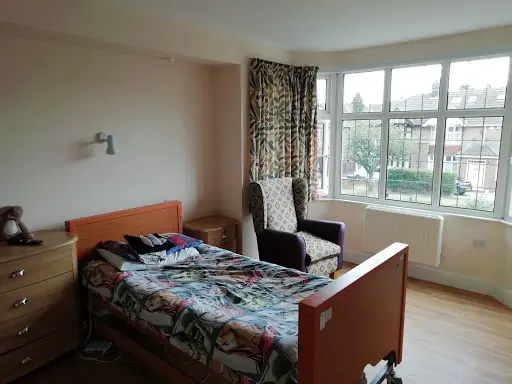
The home adapts its rolling menus around what residents actually want to eat, with proper attention to dietary needs and personal preferences. Most visitors describe the environment as fresh and well-maintained, with regular activities helping residents stay connected throughout the day.
“If you're considering Baycroft Flitwick, it's worth arranging a visit to see how the team works with residents who have similar needs to your loved one.”
DCC does not edit or curate content in this tab. For independently curated information, see The Evidence and DCC Verdict.