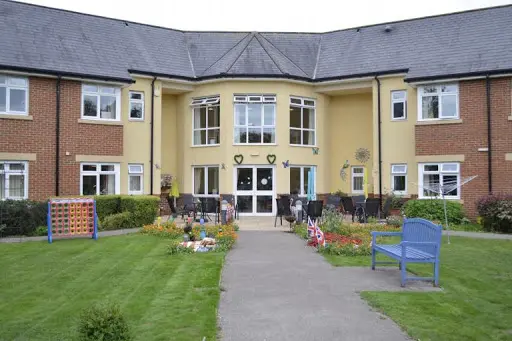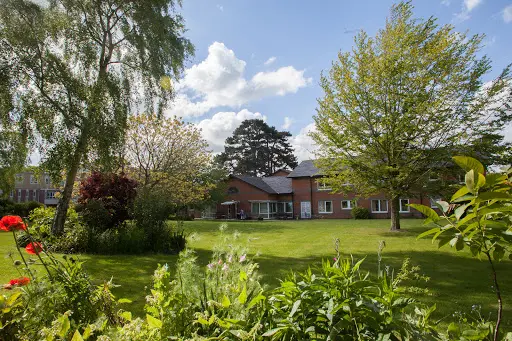
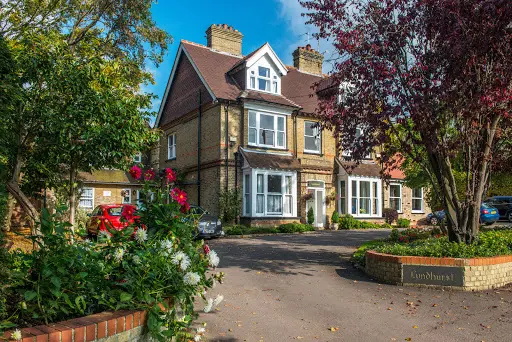
Lyndhurst Residential Care Home
At a Glance
The information you need to decide whether this home warrants a closer look.
Residential homes
Staff warmth score
of reviewers answered yes
Good to know
- Registered beds20
- SpecialismsCaring for adults over 65 yrs, Dementia
- Last inspected2018-03-17
Save Lyndhurst Residential Care Home to your shortlist
Keep a running list, add visit notes, and compare homes side-by-side. Free account — it takes a minute.
STAGE 4 — RESEARCHING CARE HOMES
Visit homes. Compare them side by side. Choose with confidence.
Most of us will view care homes the way we view houses, impression, atmosphere, the feeling in the corridor. We go home, try to remember what we saw, and make a permanent decision from a blurred memory.

The DCC shortlist gives every home you visit a structured record: the same twelve questions, answered the same way, every time. When you’re ready to choose, pull any two homes side by side and compare them directly. Same criteria, same evidence, your notes and your scores.
The Evidence
What the review data, the inspection reports, and the dementia-care evidence base tell us about this home.
What families say
Families describe an atmosphere where visiting feels natural and unrestricted. The staff keep relatives closely involved in care decisions, creating genuine partnerships. When residents move in from other homes or independent living, the transition tends to go smoothly — people often settle in more easily than their families expected.
The eight family priority themes
- Staff warmth55
- Compassion & dignity55
- Cleanliness60
- Activities & engagement50
- Food quality50
- Healthcare55
- Management & leadership45
- Resident happiness55
What inspectors found
Inspected 2018-03-17
Is this home safe?
Is the care effective?
Effective was rated Good at the February 2018 inspection. The home lists dementia as a specialism, which implies some level of relevant training and care planning capability. No specific detail about care plan content, GP access arrangements, medication administration, or dementia training curricula is available in the published summary. Food quality and dietary support are not addressed in the published findings.Is this home caring?
Caring was rated Good at the February 2018 inspection. No specific inspector observations, resident testimony, or relative feedback are recorded in the published summary. The Good rating implies that inspectors did not find evidence of poor practice in this domain, but the absence of specific detail means it is not possible to describe what kindness or dignity looked like in practice at this home.Is the home responsive?
Responsive was rated Good at the February 2018 inspection. No specific detail about activities, individual engagement, or end-of-life planning is available in the published summary. The home's dementia specialism suggests some tailored provision, but the published findings do not describe what activities are offered, how they are matched to individual needs, or what happens for people with advanced dementia who cannot join group sessions.Is the home well-led?
Well-led was rated Requires Improvement at the February 2018 inspection, the only domain not to achieve a Good rating despite the overall improvement from the previous inspection. A registered manager, Mrs Dianne Louise Downard, and a nominated individual, Miss Joy Northey, are both named on the registration record. No specific detail about what caused the Requires Improvement rating, what actions were required, or what progress has been made since is available in the published summary. The most recent inspection was in February 2018, more than six years ago.
Source: CQC inspection report →
What the evidence base says
The home specialises in dementia care and supports adults over 65. They've developed approaches that help residents at different stages of cognitive change. What stands out is how the care adapts as dementia progresses. Staff adjust their approaches to match changing cognitive abilities, and families report their loved ones continue to feel safe and content even as their needs increase. All areas worth probing directly during a visit.
The DCC Verdict
Our editorial view, built from the three lenses: what families tell us, what inspectors record, and how the home sits against good dementia-care practice.
DCC Family Score
Most domains were rated Good at the 2018 inspection, but Well-led remains Requires Improvement and the report contains very little specific observational detail, meaning scores reflect general compliance rather than strong, evidenced practice across the board.
Homes in South East typically score 68–82.The three-lens summary
What families tell us
Families describe an atmosphere where visiting feels natural and unrestricted. The staff keep relatives closely involved in care decisions, creating genuine partnerships. When residents move in from other homes or independent living, the transition tends to go smoothly — people often settle in more easily than their families expected.
What inspectors have recorded
The team here seems to understand that good dementia care needs both professional skill and personal warmth. Families mention how staff maintain their caring approach even as residents' needs become more complex over the years. There's a sense of genuine stability in the care relationships that develop.
How it sits against good practice
For families navigating the challenges of dementia, this kind of responsive, evolving care can make all the difference.
Worth a visit
Lyndhurst Residential Care Home, on Lyndhurst Road in Goring-on-Thames, was rated Good overall at its last inspection in February 2018, an improvement on a previous Requires Improvement rating. Four of the five domains, Safe, Effective, Caring, and Responsive, were rated Good. The home is registered for 20 people and lists dementia as a specialism, with a registered manager and a nominated individual both named on the registration record. The main concern at the time of inspection was the Well-led domain, which remained at Requires Improvement despite the overall improvement. The published report contains very little specific observational detail, which makes it difficult to assess the quality of day-to-day life for your parent from the paperwork alone. Crucially, the last inspection was in February 2018, more than six years ago at the time of writing, so the rating reflects conditions that may have changed significantly. A visit, ideally at a mealtime or during a morning routine, is essential before making any decision. Ask to speak to the manager about what has changed since 2018 and what action was taken on the Well-led concerns.
The three questions to ask when you visitSave this home. Compare it against your shortlist.
Let our analysis show you how Lyndhurst Residential Care Home measures up against the other homes you’re considering. Free account.
In Their Own Words
How Lyndhurst Residential Care Home describes itself — collected from its own website. DCC has not edited or independently verified the content in this tab.
Where dementia care adapts as needs change over the years
Lyndhurst Residential Care Home – Expert Care in Goring-on-Thames
When families face the complex journey of dementia, finding care that evolves with their loved one matters deeply. Lyndhurst Residential Care Home in Goring-on-Thames has built its approach around this understanding. Here, the team adjusts their support as cognitive abilities shift, helping residents feel secure through each stage.
Who they care for
The home specialises in dementia care and supports adults over 65. They've developed approaches that help residents at different stages of cognitive change.
What stands out is how the care adapts as dementia progresses. Staff adjust their approaches to match changing cognitive abilities, and families report their loved ones continue to feel safe and content even as their needs increase.
“For families navigating the challenges of dementia, this kind of responsive, evolving care can make all the difference.”
DCC does not edit or curate content in this tab. For independently curated information, see The Evidence and DCC Verdict.
The DCC Verdict
Our editorial view, built from the three lenses: what families tell us, what inspectors record, and how the home sits against good dementia-care practice.
DCC Family Score
Most domains were rated Good at the 2018 inspection, but Well-led remains Requires Improvement and the report contains very little specific observational detail, meaning scores reflect general compliance rather than strong, evidenced practice across the board.
Homes in South East typically score 68–82.The three-lens summary
What families tell us
Families describe an atmosphere where visiting feels natural and unrestricted. The staff keep relatives closely involved in care decisions, creating genuine partnerships. When residents move in from other homes or independent living, the transition tends to go smoothly — people often settle in more easily than their families expected.
What inspectors have recorded
The team here seems to understand that good dementia care needs both professional skill and personal warmth. Families mention how staff maintain their caring approach even as residents' needs become more complex over the years. There's a sense of genuine stability in the care relationships that develop.
How it sits against good practice
For families navigating the challenges of dementia, this kind of responsive, evolving care can make all the difference.
Worth a visit
Lyndhurst Residential Care Home, on Lyndhurst Road in Goring-on-Thames, was rated Good overall at its last inspection in February 2018, an improvement on a previous Requires Improvement rating. Four of the five domains, Safe, Effective, Caring, and Responsive, were rated Good. The home is registered for 20 people and lists dementia as a specialism, with a registered manager and a nominated individual both named on the registration record. The main concern at the time of inspection was the Well-led domain, which remained at Requires Improvement despite the overall improvement. The published report contains very little specific observational detail, which makes it difficult to assess the quality of day-to-day life for your parent from the paperwork alone. Crucially, the last inspection was in February 2018, more than six years ago at the time of writing, so the rating reflects conditions that may have changed significantly. A visit, ideally at a mealtime or during a morning routine, is essential before making any decision. Ask to speak to the manager about what has changed since 2018 and what action was taken on the Well-led concerns.
The three questions to ask when you visitSave this home. Compare it against your shortlist.
Let our analysis show you how Lyndhurst Residential Care Home measures up against the other homes you’re considering. Free account.
In Their Own Words
How Lyndhurst Residential Care Home describes itself — collected from its own website. DCC has not edited or independently verified the content in this tab.
Where dementia care adapts as needs change over the years
Lyndhurst Residential Care Home – Expert Care in Goring-on-Thames
When families face the complex journey of dementia, finding care that evolves with their loved one matters deeply. Lyndhurst Residential Care Home in Goring-on-Thames has built its approach around this understanding. Here, the team adjusts their support as cognitive abilities shift, helping residents feel secure through each stage.
Who they care for
The home specialises in dementia care and supports adults over 65. They've developed approaches that help residents at different stages of cognitive change.
What stands out is how the care adapts as dementia progresses. Staff adjust their approaches to match changing cognitive abilities, and families report their loved ones continue to feel safe and content even as their needs increase.
Management & ethos
The team here seems to understand that good dementia care needs both professional skill and personal warmth. Families mention how staff maintain their caring approach even as residents' needs become more complex over the years. There's a sense of genuine stability in the care relationships that develop.
“For families navigating the challenges of dementia, this kind of responsive, evolving care can make all the difference.”
DCC does not edit or curate content in this tab. For independently curated information, see The Evidence and DCC Verdict.