
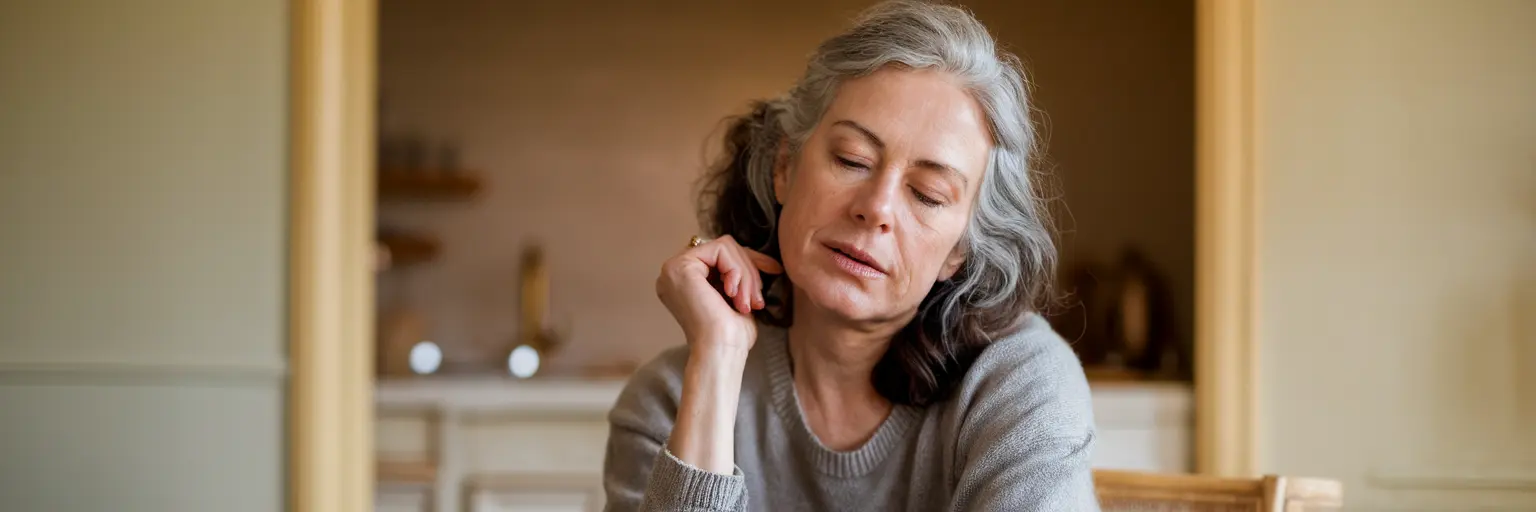
Woman sitting indoors with eyes closed, pensive expression

The specific signs that mean your parent with dementia can no longer be left alone safely

A person with dementia should not be left alone when there is a clear and present risk to their safety or wellbeing. Specific situations that indicate 24-hour supervision is needed include a history of falls, a tendency to wander and become lost, an inability to recognise or respond to household dangers, significant confusion about time and place, an inability to call for help if something goes wrong, or advanced physical frailty. Emotional vulnerability is also a factor, as some people with dementia experience severe anxiety when alone. A social services care needs assessment can formally evaluate what level of supervision is appropriate.

Frequently Asked Questions Related to increasing support care

Living alone with dementia — when it's manageable, what helps, and when it stops being safe

read this FAQ

Is it illegal to leave someone with dementia alone in the UK? The law is more nuanced than yes or no

read this FAQ

Home is better for dementia — until it isn't. The honest case for both sides

read this FAQ

The specific signs that mean your parent with dementia can no longer be left alone safely

read this FAQ

Is it safe to leave your parent with dementia alone? The honest answer changes as things progress

read this FAQ

'I want to go home' — what it means when someone with dementia says this, even from their own house

read this FAQ

Why people with dementia constantly ask to go home — and what 'home' actually means to them

read this FAQ

Leaving someone with dementia alone — how to make the right call at the right stage

read this FAQ
We use cookies in order to give you the best possible experience on our website. By continuing to use this site, you agree to our use of cookies.
Accept