Rayner House Care

At a Glance
The information you need to decide whether this home warrants a closer look.
Residential homes
Staff warmth score
of reviewers answered yes
Good to know
- Registered beds43
- SpecialismsCaring for adults over 65 yrs, Dementia
- Last inspected2019-05-01
Save Rayner House Care to your shortlist
Keep a running list, add visit notes, and compare homes side-by-side. Free account — it takes a minute.
STAGE 4 — RESEARCHING CARE HOMES
Visit homes. Compare them side by side. Choose with confidence.
Most of us will view care homes the way we view houses, impression, atmosphere, the feeling in the corridor. We go home, try to remember what we saw, and make a permanent decision from a blurred memory.

The DCC shortlist gives every home you visit a structured record: the same twelve questions, answered the same way, every time. When you’re ready to choose, pull any two homes side by side and compare them directly. Same criteria, same evidence, your notes and your scores.
The Evidence
What the review data, the inspection reports, and the dementia-care evidence base tell us about this home.
What families say
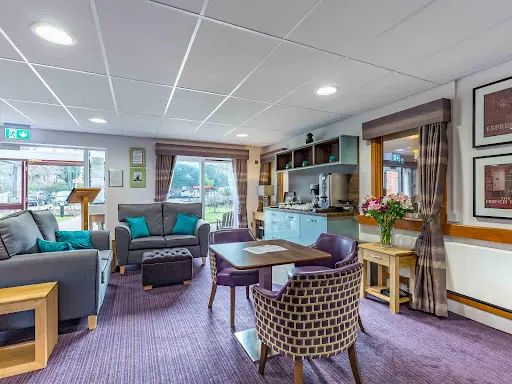
Families describe a social environment where residents enjoy organised activities and communal spaces. The gardens and dining areas create natural gathering spots, and visiting pets are welcomed as part of daily life.
The eight family priority themes
- Staff warmth72
- Compassion & dignity72
- Cleanliness70
- Activities & engagement65
- Food quality65
- Healthcare68
- Management & leadership74
- Resident happiness70
What inspectors found
Inspected 2019-05-01
Is this home safe?
Is the care effective?
The Effective domain was rated Good at the March 2019 inspection. This domain covers care planning, staff training, healthcare access, and nutrition. The published report does not include specific observations about any of these areas. The home is registered as a dementia specialist service, which means inspectors would have considered whether dementia-specific training and care approaches were in place. No detail about GP access arrangements or dietary support is recorded in the available text.Is this home caring?
The Caring domain was rated Good at the March 2019 inspection. This domain covers staff warmth, dignity, privacy, independence, and emotional support. The published report contains no specific inspector observations, resident quotes, or family testimony related to caring interactions. A Good rating indicates inspectors found the standard of caring to be satisfactory, but the absence of detail makes it impossible to describe what that care looked like in practice.Is the home responsive?
The Responsive domain was rated Good at the March 2019 inspection. This domain covers how well the home tailors its care and activities to individuals, including people with dementia who may not be able to express preferences verbally. The published report contains no detail about the activities programme, individual engagement, or how the home responds to changes in residents' needs. The home is registered as a dementia specialist service, so responsiveness to the specific needs of people living with dementia would have been part of the inspection focus.Is the home well-led?
The Well-led domain was rated Good at the March 2019 inspection, and this represented an improvement from a previous Requires Improvement rating. A registered manager, Mrs Susan Kaye Taylor, and a nominated individual, Mrs Carol Mcnidder, were named in the report, confirming a leadership structure was in place. The fact that the home improved across all five domains from its previous inspection is a positive indicator that leadership was functioning effectively. The published report contains no further detail about management culture, staff empowerment, governance systems, or how concerns are handled.
Source: CQC inspection report →
What the evidence base says
Rayner House specialises in dementia care and supports adults over 65. The team shows particular understanding when caring for residents with dementia, especially those who struggle to communicate their needs. Staff take time to observe and respond to non-verbal cues. All areas worth probing directly during a visit.
The DCC Verdict
Our editorial view, built from the three lenses: what families tell us, what inspectors record, and how the home sits against good dementia-care practice.
DCC Family Score
Rayner House improved from Requires Improvement to Good across all five inspection domains, which is a meaningful step forward. However, the published inspection report contains limited specific detail, so scores reflect a confirmed Good rating rather than richly evidenced individual strengths.
Homes in West Midlands typically score 68–82.The three-lens summary
What families tell us
Families describe a social environment where residents enjoy organised activities and communal spaces. The gardens and dining areas create natural gathering spots, and visiting pets are welcomed as part of daily life.
What inspectors have recorded
Staff here seem to understand what matters most. Families talk about prompt responses to resident needs, open discussions about care decisions, and particular skill with residents who have communication difficulties. During the pandemic, their meticulous approach to safety protocols gave families real reassurance.
How it sits against good practice
Several families have mentioned how staff supported them through end-of-life care, allowing them to be present and ensuring dignity in those final stages.
Worth a visit
Rayner House, on Damson Parkway in Solihull, was rated Good across all five inspection domains at its last inspection in March 2019. This is a positive result, and it represents a genuine improvement from a previous Requires Improvement rating, which suggests the home identified problems and addressed them. The home is registered to care for up to 43 adults over 65, including people living with dementia, and has named leadership in place. The main limitation here is that the published inspection text is very brief and contains almost no specific observations, resident or family quotes, or detailed evidence to support the domain ratings. The Good rating is real, but this report cannot tell you what warm care actually looks like in practice at Rayner House in 2024 or beyond. The inspection is also now several years old, and a review carried out in July 2023 confirmed no reassessment was needed at that point, which is reassuring but not equivalent to a fresh inspection. When you visit, focus on what you can observe directly: how staff interact with residents in corridors, whether your parent would be addressed by their preferred name, and whether the environment feels calm and oriented for someone living with dementia. Ask specifically about night staffing ratios and how the home keeps families informed about changes in their parent's condition.
The three questions to ask when you visitSave this home. Compare it against your shortlist.
Let our analysis show you how Rayner House Care measures up against the other homes you’re considering. Free account.
In Their Own Words
How Rayner House Care describes itself — collected from its own website. DCC has not edited or independently verified the content in this tab.
Where careful listening shapes genuinely personal care
Dedicated residential home Support in Solihull
When families describe Rayner House in Solihull, they talk about staff who really listen — who sit down to discuss care decisions and notice when something's not quite right. This West Midlands care home has built its reputation on attentive, responsive care that adapts to each resident's needs.
Who they care for
Rayner House specialises in dementia care and supports adults over 65.
The team shows particular understanding when caring for residents with dementia, especially those who struggle to communicate their needs. Staff take time to observe and respond to non-verbal cues.
“Several families have mentioned how staff supported them through end-of-life care, allowing them to be present and ensuring dignity in those final stages.”
DCC does not edit or curate content in this tab. For independently curated information, see The Evidence and DCC Verdict.
The DCC Verdict
Our editorial view, built from the three lenses: what families tell us, what inspectors record, and how the home sits against good dementia-care practice.
DCC Family Score
Rayner House improved from Requires Improvement to Good across all five inspection domains, which is a meaningful step forward. However, the published inspection report contains limited specific detail, so scores reflect a confirmed Good rating rather than richly evidenced individual strengths.
Homes in West Midlands typically score 68–82.The three-lens summary
What families tell us
Families describe a social environment where residents enjoy organised activities and communal spaces. The gardens and dining areas create natural gathering spots, and visiting pets are welcomed as part of daily life.
What inspectors have recorded
Staff here seem to understand what matters most. Families talk about prompt responses to resident needs, open discussions about care decisions, and particular skill with residents who have communication difficulties. During the pandemic, their meticulous approach to safety protocols gave families real reassurance.
How it sits against good practice
Several families have mentioned how staff supported them through end-of-life care, allowing them to be present and ensuring dignity in those final stages.
Worth a visit
Rayner House, on Damson Parkway in Solihull, was rated Good across all five inspection domains at its last inspection in March 2019. This is a positive result, and it represents a genuine improvement from a previous Requires Improvement rating, which suggests the home identified problems and addressed them. The home is registered to care for up to 43 adults over 65, including people living with dementia, and has named leadership in place. The main limitation here is that the published inspection text is very brief and contains almost no specific observations, resident or family quotes, or detailed evidence to support the domain ratings. The Good rating is real, but this report cannot tell you what warm care actually looks like in practice at Rayner House in 2024 or beyond. The inspection is also now several years old, and a review carried out in July 2023 confirmed no reassessment was needed at that point, which is reassuring but not equivalent to a fresh inspection. When you visit, focus on what you can observe directly: how staff interact with residents in corridors, whether your parent would be addressed by their preferred name, and whether the environment feels calm and oriented for someone living with dementia. Ask specifically about night staffing ratios and how the home keeps families informed about changes in their parent's condition.
The three questions to ask when you visitSave this home. Compare it against your shortlist.
Let our analysis show you how Rayner House Care measures up against the other homes you’re considering. Free account.
In Their Own Words
How Rayner House Care describes itself — collected from its own website. DCC has not edited or independently verified the content in this tab.
Where careful listening shapes genuinely personal care
Dedicated residential home Support in Solihull
When families describe Rayner House in Solihull, they talk about staff who really listen — who sit down to discuss care decisions and notice when something's not quite right. This West Midlands care home has built its reputation on attentive, responsive care that adapts to each resident's needs.
Who they care for
Rayner House specialises in dementia care and supports adults over 65.
The team shows particular understanding when caring for residents with dementia, especially those who struggle to communicate their needs. Staff take time to observe and respond to non-verbal cues.
Management & ethos
Staff here seem to understand what matters most. Families talk about prompt responses to resident needs, open discussions about care decisions, and particular skill with residents who have communication difficulties. During the pandemic, their meticulous approach to safety protocols gave families real reassurance.
The home & environment
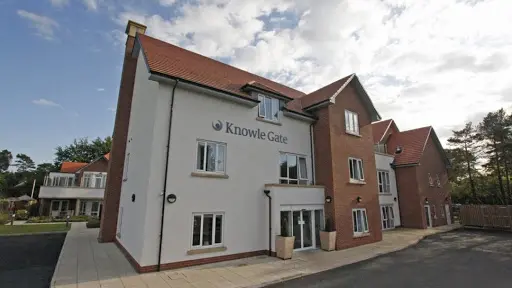
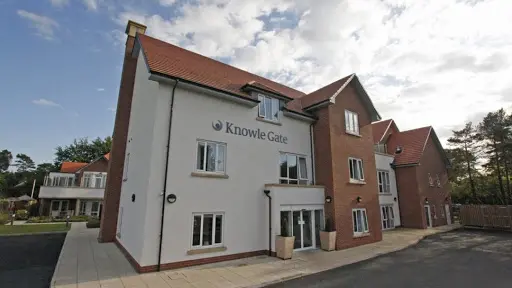
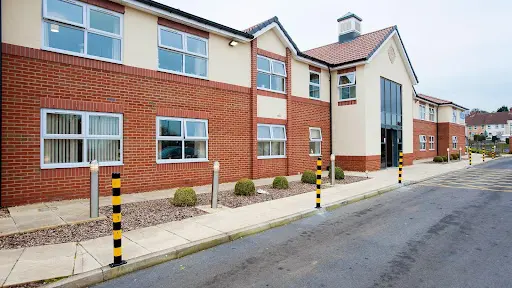
The building itself gets consistent praise for being clean and comfortable. Families appreciate that it's well-maintained without being unnecessarily fancy — just a pleasant, tidy environment that feels right.
“Several families have mentioned how staff supported them through end-of-life care, allowing them to be present and ensuring dignity in those final stages.”
DCC does not edit or curate content in this tab. For independently curated information, see The Evidence and DCC Verdict.