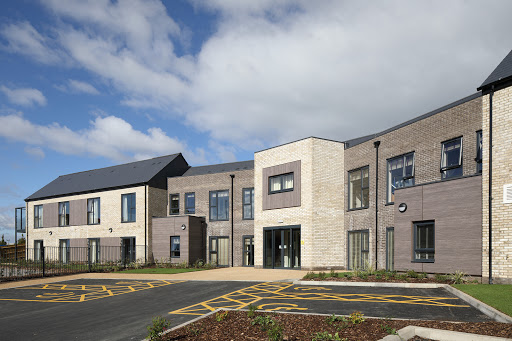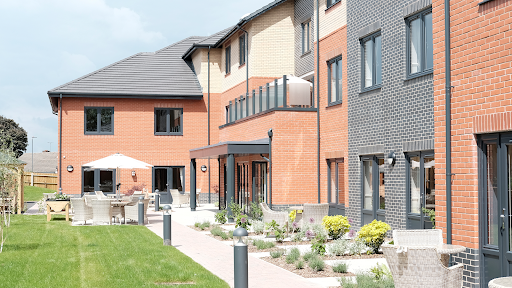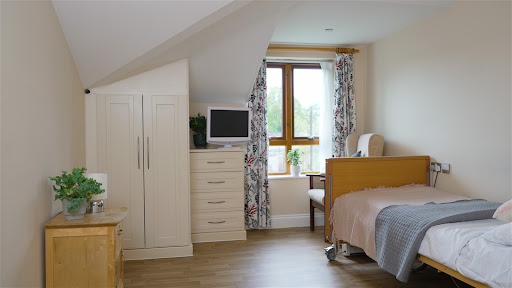
Stokeleigh Lodge
At a Glance
The information you need to decide whether this home warrants a closer look.
Residential homes, Supported living
Staff warmth score
of reviewers answered yes
Good to know
- Registered beds15
- SpecialismsCaring for adults over 65 yrs, Caring for adults under 65 yrs, Dementia, Learning disabilities, Mental health conditions, Physical disabilities
- Last inspected2021-08-21
The Evidence
What the review data, the inspection reports, and the dementia-care evidence base tell us about this home.
What families say
Families have noticed their relatives feeling happy and safe here. The staff team shows genuine care in the details of daily life, creating an atmosphere where residents feel secure.
The eight family priority themes
- Staff warmth55
- Compassion & dignity55
- Cleanliness55
- Activities & engagement52
- Food quality52
- Healthcare55
- Management & leadership60
- Resident happiness55
What inspectors found
Inspected 2021-08-21
Is this home safe?
Is the care effective?
The Effective domain is rated Good, covering training, care planning, healthcare access, and nutrition. The home lists dementia as a registered specialism, which implies a level of commitment to dementia-specific practice, but no detail on training content, care plan quality, GP access frequency, or dietary provision was available from the inspection findings. Given the breadth of specialisms registered — dementia, learning disabilities, mental health, physical disabilities — the quality and specificity of individual care planning is a particularly important area to probe. The Good rating confirms standards were met but does not describe how.Is this home caring?
The Caring domain is rated Good, which covers staff warmth, compassion, dignity, and respect for independence. This is the domain families care most about — our review data shows staff warmth (57.3% of positive reviews) and compassion and dignity (55.2%) are the two most frequently mentioned themes across all 3,602 reviews. Without the full inspection text, no specific observations of staff interactions, resident testimony, or examples of dignity in practice were available to review. The rating confirms the standard was met, but the texture of day-to-day care — how staff speak to your parent, whether they know their preferred name, whether care is unhurried — cannot be verified from ratings alone.Is the home responsive?
The Responsive domain is rated Good, covering activities, engagement, individuality, and end-of-life care. For a 15-bed home supporting people with dementia, learning disabilities, and mental health conditions, responsiveness to individual need is complex — the activity and engagement needs of these groups differ significantly. Without the full inspection text, no detail on the activity programme, one-to-one engagement, or end-of-life planning was available. The rating confirms standards were met but the specific evidence base — what actually happens on a Tuesday afternoon, or how a person with advanced dementia is engaged when they cannot join a group — is unknown.Is the home well-led?
The Well-Led domain is rated Good, and this represents an improvement from the previous inspection when the home carried a Requires Improvement rating overall. The fact that all five domains have been brought up to Good suggests a leadership team that was able to identify problems and drive improvement — a positive indicator of management capability. However, the inspection date is August 2021, meaning this assessment is now over three years old. Leadership stability and culture can change significantly in that time, particularly in small homes where a single manager departure can transform the environment. Without the full inspection text, no detail on manager tenure, staff empowerment, or governance systems was available.
Source: CQC inspection report →
What the evidence base says
The home supports adults both under and over 65 with various needs including dementia, learning disabilities, mental health conditions and physical disabilities. This broad expertise means they're equipped to handle complex or changing care requirements. For those living with dementia, the home provides specialist support as part of their wider care approach. Staff understand the unique challenges dementia brings and work to maintain each person's sense of security and wellbeing. All areas worth probing directly during a visit.
The DCC Verdict
Our editorial view, built from the three lenses: what families tell us, what inspectors record, and how the home sits against good dementia-care practice.
DCC Family Score
This home holds a Good rating across all five domains and has improved from a previous Requires Improvement, which is an encouraging trajectory — but because the full inspection text was not available, no specific observations, quotes, or detailed evidence could be verified, so scores reflect the rating tier rather than confirmed detail.
Homes in South West typically score 68–82.The three-lens summary
What families tell us
Families have noticed their relatives feeling happy and safe here. The staff team shows genuine care in the details of daily life, creating an atmosphere where residents feel secure.
What inspectors have recorded
How it sits against good practice
If you're looking for specialist care in Bristol, visiting Stokeleigh Lodge could help you understand if it's the right fit for your family.
Worth a visit
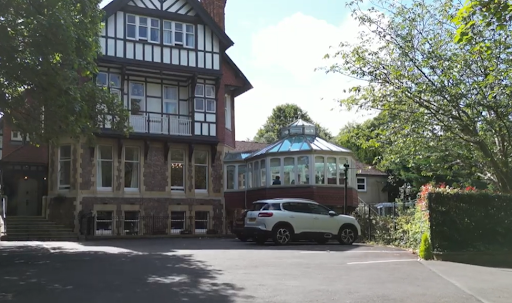
This home at 3 Downs Park West, Bristol was last inspected in August 2021 and holds an overall Good rating across all five inspection domains — Safety, Effectiveness, Caring, Responsiveness, and Leadership. Importantly, this represents an improvement from a previous Requires Improvement rating, which suggests the home has made meaningful progress and that leadership has responded to earlier concerns. With 15 beds and specialist registrations covering dementia, mental health, learning disabilities, and physical disabilities, this is a small home with a diverse remit. The main uncertainty here is significant: because the full inspection text was not available, none of the specific observations, resident quotes, or detailed evidence that normally underpin a Family View could be verified. A Good rating tells you the home met the standard at the time of inspection — it does not tell you what daily life looks like for your parent, how staff behave under pressure, what the food is like, or how families are kept informed. The inspection is also now over three years old, which means conditions may have changed. Before making a decision, visit in person, ask about staffing levels on the dementia unit after 8pm, and request to see a sample care plan to judge how genuinely person-centred the approach is.
The three questions to ask when you visitSave this home. Compare it against your shortlist.
Let our analysis show you how Stokeleigh Lodge measures up against the other homes you’re considering. Free account.
In Their Own Words
How Stokeleigh Lodge describes itself — collected from its own website. DCC has not edited or independently verified the content in this tab.
Where specialist care meets genuine attentiveness in Bristol
Dedicated residential home,supported living Support in Bristol
Finding the right specialist care home can feel overwhelming, especially when you need support for complex conditions. Stokeleigh Lodge in Bristol provides care for adults with a wide range of needs, from learning disabilities to dementia. The home offers a reassuring environment where residents with different conditions receive the focused support they need.
Who they care for
The home supports adults both under and over 65 with various needs including dementia, learning disabilities, mental health conditions and physical disabilities. This broad expertise means they're equipped to handle complex or changing care requirements.
For those living with dementia, the home provides specialist support as part of their wider care approach. Staff understand the unique challenges dementia brings and work to maintain each person's sense of security and wellbeing.
“If you're looking for specialist care in Bristol, visiting Stokeleigh Lodge could help you understand if it's the right fit for your family.”
DCC does not edit or curate content in this tab. For independently curated information, see The Evidence and DCC Verdict.
The DCC Verdict
Our editorial view, built from the three lenses: what families tell us, what inspectors record, and how the home sits against good dementia-care practice.
DCC Family Score
This home holds a Good rating across all five domains and has improved from a previous Requires Improvement, which is an encouraging trajectory — but because the full inspection text was not available, no specific observations, quotes, or detailed evidence could be verified, so scores reflect the rating tier rather than confirmed detail.
Homes in South West typically score 68–82.The three-lens summary
What families tell us
Families have noticed their relatives feeling happy and safe here. The staff team shows genuine care in the details of daily life, creating an atmosphere where residents feel secure.
What inspectors have recorded
How it sits against good practice
If you're looking for specialist care in Bristol, visiting Stokeleigh Lodge could help you understand if it's the right fit for your family.
Worth a visit
This home at 3 Downs Park West, Bristol was last inspected in August 2021 and holds an overall Good rating across all five inspection domains — Safety, Effectiveness, Caring, Responsiveness, and Leadership. Importantly, this represents an improvement from a previous Requires Improvement rating, which suggests the home has made meaningful progress and that leadership has responded to earlier concerns. With 15 beds and specialist registrations covering dementia, mental health, learning disabilities, and physical disabilities, this is a small home with a diverse remit. The main uncertainty here is significant: because the full inspection text was not available, none of the specific observations, resident quotes, or detailed evidence that normally underpin a Family View could be verified. A Good rating tells you the home met the standard at the time of inspection — it does not tell you what daily life looks like for your parent, how staff behave under pressure, what the food is like, or how families are kept informed. The inspection is also now over three years old, which means conditions may have changed. Before making a decision, visit in person, ask about staffing levels on the dementia unit after 8pm, and request to see a sample care plan to judge how genuinely person-centred the approach is.
The three questions to ask when you visitSave this home. Compare it against your shortlist.
Let our analysis show you how Stokeleigh Lodge measures up against the other homes you’re considering. Free account.
In Their Own Words
How Stokeleigh Lodge describes itself — collected from its own website. DCC has not edited or independently verified the content in this tab.
Where specialist care meets genuine attentiveness in Bristol
Dedicated residential home,supported living Support in Bristol
Finding the right specialist care home can feel overwhelming, especially when you need support for complex conditions. Stokeleigh Lodge in Bristol provides care for adults with a wide range of needs, from learning disabilities to dementia. The home offers a reassuring environment where residents with different conditions receive the focused support they need.
Who they care for
The home supports adults both under and over 65 with various needs including dementia, learning disabilities, mental health conditions and physical disabilities. This broad expertise means they're equipped to handle complex or changing care requirements.
For those living with dementia, the home provides specialist support as part of their wider care approach. Staff understand the unique challenges dementia brings and work to maintain each person's sense of security and wellbeing.
“If you're looking for specialist care in Bristol, visiting Stokeleigh Lodge could help you understand if it's the right fit for your family.”
DCC does not edit or curate content in this tab. For independently curated information, see The Evidence and DCC Verdict.