OSJCT Apple Trees Care Home

At a Glance
The information you need to decide whether this home warrants a closer look.
Residential homes
Staff warmth score
of reviewers answered yes
Good to know
- Registered beds64
- SpecialismsCaring for adults over 65 yrs, Caring for adults under 65 yrs, Dementia, Physical disabilities
- Last inspected2021-04-20
Save OSJCT Apple Trees Care Home to your shortlist
Keep a running list, add visit notes, and compare homes side-by-side. Free account — it takes a minute.
STAGE 4 — RESEARCHING CARE HOMES
Visit homes. Compare them side by side. Choose with confidence.
Most of us will view care homes the way we view houses, impression, atmosphere, the feeling in the corridor. We go home, try to remember what we saw, and make a permanent decision from a blurred memory.

The DCC shortlist gives every home you visit a structured record: the same twelve questions, answered the same way, every time. When you’re ready to choose, pull any two homes side by side and compare them directly. Same criteria, same evidence, your notes and your scores.
The Evidence
What the review data, the inspection reports, and the dementia-care evidence base tell us about this home.
What families say
Families describe feeling welcomed as partners in care rather than visitors. The atmosphere strikes a balance between professional rehabilitation and personal attention, with staff who remember the small things that matter to each resident. People often mention being surprised by how comfortable their relatives feel here, even during challenging recovery periods.
The eight family priority themes
- Staff warmth60
- Compassion & dignity60
- Cleanliness62
- Activities & engagement55
- Food quality55
- Healthcare60
- Management & leadership65
- Resident happiness58
What inspectors found
Inspected 2021-04-20
Is this home safe?
Is the care effective?
The inspection awarded a Good rating for effectiveness, which covers training, care planning, healthcare access, and nutrition. The published report provides no specific detail on any of these areas. The home lists dementia as a specialism, which implies relevant training and care planning should be in place, but neither is described or evidenced in the available text.Is this home caring?
The inspection awarded a Good rating for caring. No inspector observations, resident quotes, or family testimony appear in the published report text. Caring is the domain families rate most highly in our review data, with staff warmth (57.3%) and compassion and dignity (55.2%) being the top two drivers of family satisfaction. The absence of specific evidence here means the Good rating cannot be independently contextualised.Is the home responsive?
The inspection awarded a Good rating for responsiveness, which covers activities, individual engagement, complaint handling, and end-of-life care. No specific activities, individual programmes, or complaint outcomes are described in the published report. For a home with a dementia specialism and 64 beds, the question of whether activity provision reaches people who cannot join group sessions is particularly important and is not addressed.Is the home well-led?
The inspection awarded a Good rating for leadership. Two registered managers are named (Miss Sal Barton and Mr Lee Morgan) alongside a nominated individual, which indicates a defined accountability structure. The home is operated by The Orders of St. John Care Trust. Beyond those structural details, the published report contains no evidence of management visibility, staff culture, governance processes, or how the home responds to concerns.
Source: CQC inspection report →
What the evidence base says
The centre provides reablement and residential care for adults both under and over 65, including those with physical disabilities. They also support people living with dementia, integrating specialist knowledge into their broader approach to rehabilitation and care. For residents with dementia who need reablement support, the team adapts their rehabilitation approach to work with cognitive challenges. Staff show patience with the repetition and reassurance often needed, helping people with dementia regain physical abilities without feeling rushed or confused. All areas worth probing directly during a visit.
The DCC Verdict
Our editorial view, built from the three lenses: what families tell us, what inspectors record, and how the home sits against good dementia-care practice.
DCC Family Score
The inspection awarded Good across all five domains, which is a positive signal, but the published report text contains almost no specific observations, resident testimony, or direct evidence. Scores sit in the 55-65 range because a Good rating without supporting detail can only be treated as general rather than verified evidence.
Homes in East Midlands typically score 68–82.The three-lens summary
What families tell us
Families describe feeling welcomed as partners in care rather than visitors. The atmosphere strikes a balance between professional rehabilitation and personal attention, with staff who remember the small things that matter to each resident. People often mention being surprised by how comfortable their relatives feel here, even during challenging recovery periods.
What inspectors have recorded
Staff here appear to understand that good reablement means more than just physical exercises. They work to build confidence alongside strength, encouraging residents to do what they can while providing support where needed. Communication with families flows naturally, with updates that show staff really know each resident as an individual.
How it sits against good practice
Some residents apparently feel reluctant to leave after their reablement stay — perhaps the best indicator of care that truly supports recovery.
Worth a visit
Apple Trees Care and Reablement Centre was assessed in May 2025 and awarded a rating of Good across all five inspection domains: Safe, Effective, Caring, Responsive, and Well-led. The home accepts adults over and under 65, including people with dementia and physical disabilities, and is run by The Orders of St. John Care Trust with two registered managers named. A Good rating across all domains is a positive baseline and represents an improvement from the previous position recorded in the metadata. However, the published report contains almost no specific observations, resident testimony, staff quotes, or concrete evidence behind the Good ratings. That means this Family View cannot verify what daily life actually looks like for your parent. Before making a decision, visit in person, arrive unannounced if possible, observe a mealtime, and ask the manager direct questions about night staffing ratios, dementia training records, and how families are kept informed when a parent's health changes. A Good rating is a starting point, not a guarantee.
The three questions to ask when you visitSave this home. Compare it against your shortlist.
Let our analysis show you how OSJCT Apple Trees Care Home measures up against the other homes you’re considering. Free account.
In Their Own Words
How OSJCT Apple Trees Care Home describes itself — collected from its own website. DCC has not edited or independently verified the content in this tab.
Where recovery feels like genuine care and support
Apple Trees Care & Reablement Centre – Your Trusted residential home
Families searching for reablement care often worry about institutional settings where recovery takes priority over comfort. Apple Trees Care & Reablement Centre in Grantham offers something different — a place where short-term recovery happens alongside real warmth and attention. Whether someone needs help regaining strength after illness or requires ongoing dementia support, the approach here focuses on helping people maintain their independence while feeling genuinely cared for.
Who they care for
The centre provides reablement and residential care for adults both under and over 65, including those with physical disabilities. They also support people living with dementia, integrating specialist knowledge into their broader approach to rehabilitation and care.
For residents with dementia who need reablement support, the team adapts their rehabilitation approach to work with cognitive challenges. Staff show patience with the repetition and reassurance often needed, helping people with dementia regain physical abilities without feeling rushed or confused.
“Some residents apparently feel reluctant to leave after their reablement stay — perhaps the best indicator of care that truly supports recovery.”
DCC does not edit or curate content in this tab. For independently curated information, see The Evidence and DCC Verdict.
The DCC Verdict
Our editorial view, built from the three lenses: what families tell us, what inspectors record, and how the home sits against good dementia-care practice.
DCC Family Score
The inspection awarded Good across all five domains, which is a positive signal, but the published report text contains almost no specific observations, resident testimony, or direct evidence. Scores sit in the 55-65 range because a Good rating without supporting detail can only be treated as general rather than verified evidence.
Homes in East Midlands typically score 68–82.The three-lens summary
What families tell us
Families describe feeling welcomed as partners in care rather than visitors. The atmosphere strikes a balance between professional rehabilitation and personal attention, with staff who remember the small things that matter to each resident. People often mention being surprised by how comfortable their relatives feel here, even during challenging recovery periods.
What inspectors have recorded
Staff here appear to understand that good reablement means more than just physical exercises. They work to build confidence alongside strength, encouraging residents to do what they can while providing support where needed. Communication with families flows naturally, with updates that show staff really know each resident as an individual.
How it sits against good practice
Some residents apparently feel reluctant to leave after their reablement stay — perhaps the best indicator of care that truly supports recovery.
Worth a visit
Apple Trees Care and Reablement Centre was assessed in May 2025 and awarded a rating of Good across all five inspection domains: Safe, Effective, Caring, Responsive, and Well-led. The home accepts adults over and under 65, including people with dementia and physical disabilities, and is run by The Orders of St. John Care Trust with two registered managers named. A Good rating across all domains is a positive baseline and represents an improvement from the previous position recorded in the metadata. However, the published report contains almost no specific observations, resident testimony, staff quotes, or concrete evidence behind the Good ratings. That means this Family View cannot verify what daily life actually looks like for your parent. Before making a decision, visit in person, arrive unannounced if possible, observe a mealtime, and ask the manager direct questions about night staffing ratios, dementia training records, and how families are kept informed when a parent's health changes. A Good rating is a starting point, not a guarantee.
The three questions to ask when you visitSave this home. Compare it against your shortlist.
Let our analysis show you how OSJCT Apple Trees Care Home measures up against the other homes you’re considering. Free account.
In Their Own Words
How OSJCT Apple Trees Care Home describes itself — collected from its own website. DCC has not edited or independently verified the content in this tab.
Where recovery feels like genuine care and support
Apple Trees Care & Reablement Centre – Your Trusted residential home
Families searching for reablement care often worry about institutional settings where recovery takes priority over comfort. Apple Trees Care & Reablement Centre in Grantham offers something different — a place where short-term recovery happens alongside real warmth and attention. Whether someone needs help regaining strength after illness or requires ongoing dementia support, the approach here focuses on helping people maintain their independence while feeling genuinely cared for.
Who they care for
The centre provides reablement and residential care for adults both under and over 65, including those with physical disabilities. They also support people living with dementia, integrating specialist knowledge into their broader approach to rehabilitation and care.
For residents with dementia who need reablement support, the team adapts their rehabilitation approach to work with cognitive challenges. Staff show patience with the repetition and reassurance often needed, helping people with dementia regain physical abilities without feeling rushed or confused.
Management & ethos
Staff here appear to understand that good reablement means more than just physical exercises. They work to build confidence alongside strength, encouraging residents to do what they can while providing support where needed. Communication with families flows naturally, with updates that show staff really know each resident as an individual.
The home & environment
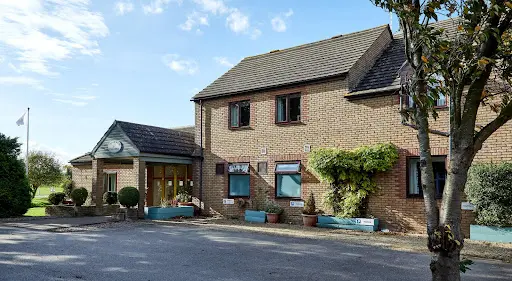
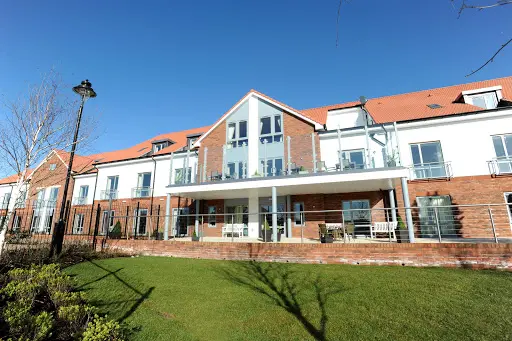
The building itself supports the caring approach — clean, bright spaces that feel more residential than clinical. Meals receive particular praise from families, who report that the food quality helps make recovery more pleasant. The environment manages to feel both new and homely, which seems to help residents settle quickly into their rehabilitation routines.
“Some residents apparently feel reluctant to leave after their reablement stay — perhaps the best indicator of care that truly supports recovery.”
DCC does not edit or curate content in this tab. For independently curated information, see The Evidence and DCC Verdict.