Lindisfarne House Seaham Carehome

At a Glance
The information you need to decide whether this home warrants a closer look.
Nursing homes
Staff warmth score
of reviewers answered yes
Good to know
- Registered beds62
- SpecialismsCaring for adults over 65 yrs, Caring for adults under 65 yrs, Dementia, Mental health conditions, Physical disabilities, Sensory impairment
- Last inspected2018-10-24
The Evidence
What the review data, the inspection reports, and the dementia-care evidence base tell us about this home.
What families say
Visitors often mention how staff greet residents with real friendliness, taking time for proper conversations. The atmosphere feels relaxed rather than clinical, with people noticing residents looking well-cared-for and content in their surroundings.
The eight family priority themes
- Staff warmth72
- Compassion & dignity72
- Cleanliness68
- Activities & engagement60
- Food quality60
- Healthcare68
- Management & leadership72
- Resident happiness68
What inspectors found
Inspected 2018-10-24
Is this home safe?
Is the care effective?
The effective domain was rated Good at the September 2018 inspection. This domain covers training, care planning, healthcare access, and food. The published text does not include specific observations about any of these areas, such as whether care plans were reviewed regularly, whether GPs visited frequently, or whether dementia-specific training was up to date. The rating confirms inspectors were satisfied at the time of the visit.Is this home caring?
The caring domain was rated Good at the September 2018 inspection. This is the domain that covers staff warmth, dignity, respect, and independence. No resident quotes, relative testimony, or specific inspector observations about interactions are reproduced in the published text. A Good rating here indicates inspectors were not concerned, but the absence of detail means this report cannot confirm what caring looks like in practice at Lindisfarne Seaham.Is the home responsive?
The responsive domain was rated Good at the September 2018 inspection. This covers activities, individual engagement, end-of-life care, and how well the home adapts to individual needs. The published text does not describe specific activity programmes, one-to-one engagement approaches, or end-of-life planning processes. The Good rating confirms inspectors were satisfied, but no supporting detail is available.Is the home well-led?
The well-led domain was rated Good at the September 2018 inspection, improved from a previous Requires Improvement rating. Mrs Carole Rutherford is named as the registered manager and Mrs Susan McAlear as the nominated individual. Named, stable leadership is a basic but important marker of governance. The published text does not describe management visibility, staff culture, how complaints are handled, or what systems are used to monitor quality.
Source: CQC inspection report →
What the evidence base says
The team supports residents with dementia, mental health conditions, physical disabilities and sensory impairments. They care for both younger adults under 65 and older residents. For residents with dementia, the combination of patient staff and a calm environment seems to work well. The team understands the importance of routine conversations and familiar surroundings. All areas worth probing directly during a visit.
The DCC Verdict
Our editorial view, built from the three lenses: what families tell us, what inspectors record, and how the home sits against good dementia-care practice.
DCC Family Score
Lindisfarne Seaham holds a Good rating across all five inspection domains, improved from a previous Requires Improvement, which is a meaningful step forward. However, the published inspection text contains very limited specific detail, so scores reflect confirmed Good ratings rather than rich observational evidence.
Homes in North East typically score 68–82.The three-lens summary
What families tell us
Visitors often mention how staff greet residents with real friendliness, taking time for proper conversations. The atmosphere feels relaxed rather than clinical, with people noticing residents looking well-cared-for and content in their surroundings.
What inspectors have recorded
Staff show particular thoughtfulness around individual needs, whether that's supporting someone through end-of-life care or helping with recovery after hospital. Families notice real attention to personal care that goes beyond just the basics.
How it sits against good practice
Sometimes the smallest details — a proper chat over tea, a favourite meal cooked just right — show you've found somewhere that understands what matters.
Worth a visit
Lindisfarne Seaham, on King Edward Road in Seaham, was rated Good across all five inspection domains at its last official inspection in September 2018, having previously been rated Requires Improvement. That improvement is a meaningful sign that something changed positively in how the home is run, and a follow-up information review in July 2023 found no reason to change the rating. The home is registered with named leadership in place and covers a wide range of needs including dementia, mental health conditions, physical disabilities, and sensory impairment across 62 beds. The main limitation here is that the published inspection text is very brief. No specific inspector observations, resident quotes, or relative testimony are reproduced, which means the Good ratings are confirmed but cannot be illustrated. This is not unusual for an older inspection, but it does mean you should treat a visit as essential rather than optional. The questions in the checklist above will help you fill the gaps that the inspection text cannot. Pay particular attention to night staffing ratios, agency staff usage, and how the home supports residents with dementia who cannot join group activities, as these are the areas most likely to vary between homes with similar overall ratings.
The three questions to ask when you visitSave this home. Compare it against your shortlist.
Let our analysis show you how Lindisfarne House Seaham Carehome measures up against the other homes you’re considering. Free account.
In Their Own Words
How Lindisfarne House Seaham Carehome describes itself — collected from its own website. DCC has not edited or independently verified the content in this tab.
Where genuine warmth meets thoughtful dementia care in Seaham
Dedicated nursing home Support in Seaham
Finding the right care feels impossible when your loved one needs specialist support. At Lindisfarne Seaham, families describe something reassuring — staff who actually stop and chat, not just rush through their rounds. This North East home brings together experienced care for various conditions, from dementia to physical disabilities, in a setting where residents seem genuinely comfortable.
Who they care for
The team supports residents with dementia, mental health conditions, physical disabilities and sensory impairments. They care for both younger adults under 65 and older residents.
For residents with dementia, the combination of patient staff and a calm environment seems to work well. The team understands the importance of routine conversations and familiar surroundings.
“Sometimes the smallest details — a proper chat over tea, a favourite meal cooked just right — show you've found somewhere that understands what matters.”
DCC does not edit or curate content in this tab. For independently curated information, see The Evidence and DCC Verdict.
The DCC Verdict
Our editorial view, built from the three lenses: what families tell us, what inspectors record, and how the home sits against good dementia-care practice.
DCC Family Score
Lindisfarne Seaham holds a Good rating across all five inspection domains, improved from a previous Requires Improvement, which is a meaningful step forward. However, the published inspection text contains very limited specific detail, so scores reflect confirmed Good ratings rather than rich observational evidence.
Homes in North East typically score 68–82.The three-lens summary
What families tell us
Visitors often mention how staff greet residents with real friendliness, taking time for proper conversations. The atmosphere feels relaxed rather than clinical, with people noticing residents looking well-cared-for and content in their surroundings.
What inspectors have recorded
Staff show particular thoughtfulness around individual needs, whether that's supporting someone through end-of-life care or helping with recovery after hospital. Families notice real attention to personal care that goes beyond just the basics.
How it sits against good practice
Sometimes the smallest details — a proper chat over tea, a favourite meal cooked just right — show you've found somewhere that understands what matters.
Worth a visit
Lindisfarne Seaham, on King Edward Road in Seaham, was rated Good across all five inspection domains at its last official inspection in September 2018, having previously been rated Requires Improvement. That improvement is a meaningful sign that something changed positively in how the home is run, and a follow-up information review in July 2023 found no reason to change the rating. The home is registered with named leadership in place and covers a wide range of needs including dementia, mental health conditions, physical disabilities, and sensory impairment across 62 beds. The main limitation here is that the published inspection text is very brief. No specific inspector observations, resident quotes, or relative testimony are reproduced, which means the Good ratings are confirmed but cannot be illustrated. This is not unusual for an older inspection, but it does mean you should treat a visit as essential rather than optional. The questions in the checklist above will help you fill the gaps that the inspection text cannot. Pay particular attention to night staffing ratios, agency staff usage, and how the home supports residents with dementia who cannot join group activities, as these are the areas most likely to vary between homes with similar overall ratings.
The three questions to ask when you visitSave this home. Compare it against your shortlist.
Let our analysis show you how Lindisfarne House Seaham Carehome measures up against the other homes you’re considering. Free account.
In Their Own Words
How Lindisfarne House Seaham Carehome describes itself — collected from its own website. DCC has not edited or independently verified the content in this tab.
Where genuine warmth meets thoughtful dementia care in Seaham
Dedicated nursing home Support in Seaham
Finding the right care feels impossible when your loved one needs specialist support. At Lindisfarne Seaham, families describe something reassuring — staff who actually stop and chat, not just rush through their rounds. This North East home brings together experienced care for various conditions, from dementia to physical disabilities, in a setting where residents seem genuinely comfortable.
Who they care for
The team supports residents with dementia, mental health conditions, physical disabilities and sensory impairments. They care for both younger adults under 65 and older residents.
For residents with dementia, the combination of patient staff and a calm environment seems to work well. The team understands the importance of routine conversations and familiar surroundings.
Management & ethos
Staff show particular thoughtfulness around individual needs, whether that's supporting someone through end-of-life care or helping with recovery after hospital. Families notice real attention to personal care that goes beyond just the basics.
The home & environment
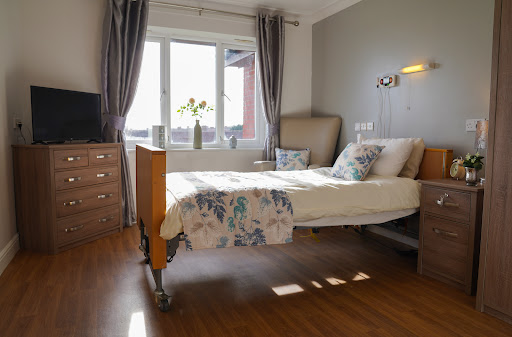
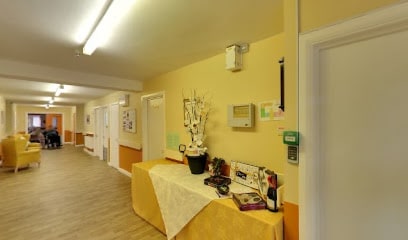
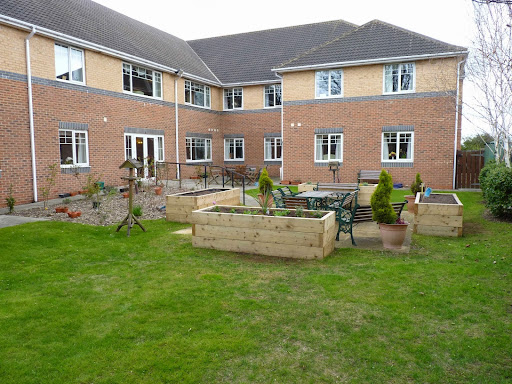
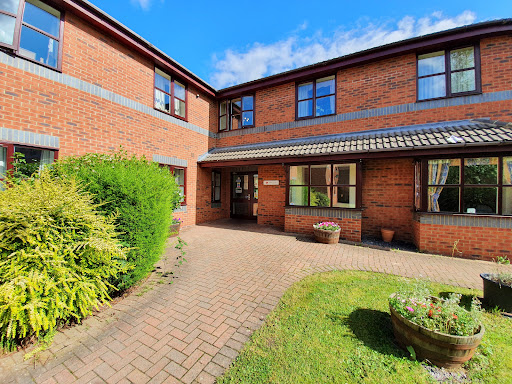
The home serves proper home-cooked meals that families say bring back memories and genuine enjoyment at mealtimes. Rooms are spacious and the whole place stays notably clean and well-decorated, creating a comfortable environment for residents.
“Sometimes the smallest details — a proper chat over tea, a favourite meal cooked just right — show you've found somewhere that understands what matters.”
DCC does not edit or curate content in this tab. For independently curated information, see The Evidence and DCC Verdict.