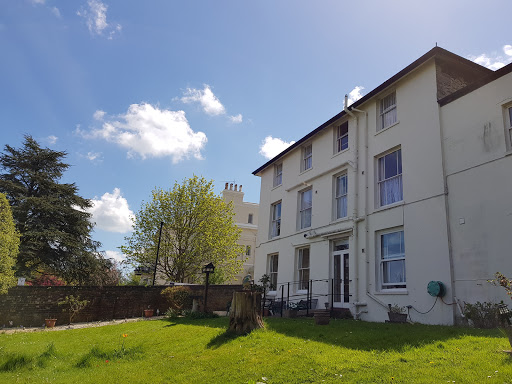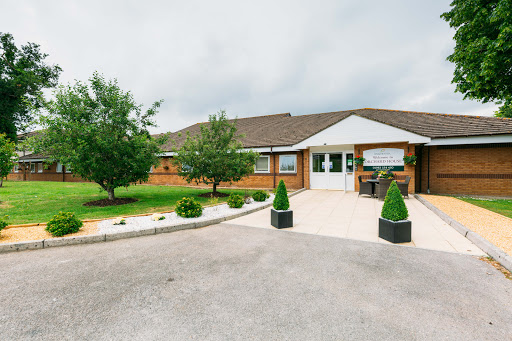
Highfield House
At a Glance
The information you need to decide whether this home warrants a closer look.
Residential homes
Staff warmth score
of reviewers answered yes
Good to know
- Registered beds20
- SpecialismsCaring for adults over 65 yrs, Caring for adults under 65 yrs, Dementia, Physical disabilities, Sensory impairment
- Last inspected2019-05-31
The Evidence
What the review data, the inspection reports, and the dementia-care evidence base tell us about this home.
What families say
The eight family priority themes
- Staff warmth85
- Compassion & dignity88
- Cleanliness72
- Activities & engagement82
- Food quality65
- Healthcare68
- Management & leadership85
- Resident happiness82
What inspectors found
Inspected 2019-05-31
Is this home safe?
Is the care effective?
The inspection rated Effective as Good, indicating that care planning, training, and healthcare access met the required standard. The home lists Dementia as a specialism alongside physical disabilities and sensory impairment, which means inspectors would expect to see appropriate training and adapted practice across all three areas. Whether care plans are reviewed regularly with family input, and how the home manages GP access and medication reviews, is not detailed in the available summary.Is this home caring?
Caring was rated Outstanding — the highest possible rating — meaning inspectors found compelling, specific evidence of kindness, dignity, respect, and person-centred interaction. For a 20-bed home, this rating is significant: smaller homes can more easily build genuine relationships between staff and residents, but they also have less cover when things are stretched. The Outstanding rating suggests the home goes beyond compliance in how it treats the people living there. Without the full report text, the specific observations and quotes that earned this rating are not available to share here.Is the home responsive?
Responsive was rated Outstanding, indicating that the home tailors its offer to individual needs rather than running a one-size-fits-all programme. For a home caring for people with dementia, physical disabilities, and sensory impairment, this requires genuine flexibility — activities, communication styles, and daily routines all need to be adapted. An Outstanding here suggests inspectors found meaningful, individualised engagement rather than just a group activity timetable. The specific activities offered, their frequency, and how one-to-one engagement is provided for people who cannot join groups are not detailed in the available summary.Is the home well-led?
Well-led was rated Outstanding, the strongest possible signal that the home has stable, effective leadership with a clear culture of accountability and continuous improvement. Mrs Teresa Hope is the registered manager and Mr Ian Bennett is the nominated individual, providing named, visible leadership. An Outstanding here typically means inspectors found a manager who is known to residents and staff, a team that feels supported to raise concerns, and governance systems that actually change practice rather than just generate paperwork. The specific tenure of the manager and details of any recent staffing changes are not available in the published summary.
Source: CQC inspection report →
What the evidence base says
The team supports people with sensory impairments, making adjustments to help residents with hearing or vision loss stay connected and engaged. They also care for younger adults with physical disabilities, providing age-appropriate support for people under 65. Highfield House includes dementia care as part of their services, supporting residents who need memory care alongside those with physical support needs. All areas worth probing directly during a visit.
The DCC Verdict
Our editorial view, built from the three lenses: what families tell us, what inspectors record, and how the home sits against good dementia-care practice.
DCC Family Score
Highfield House scores strongly across the themes families care most about — kindness, dignity, and management quality — reflecting its Outstanding ratings in Caring, Responsive, and Well-led, though the absence of detailed inspection text limits how specific we can be about day-to-day evidence.
Homes in South East typically score 68–82.Worth a visit
Highfield House in Shanklin was rated Outstanding overall at its last full inspection, published in February 2021, with Outstanding ratings for Caring, Responsive, and Well-led, and Good for Safe and Effective. A monitoring review in July 2023 found no evidence to change that rating. For a 20-bed home serving people with dementia, physical disabilities, and sensory impairment, this combination of ratings — particularly Outstanding for Caring — is a meaningful signal that inspectors found genuine kindness, respect, and individuality at the heart of how staff work. The main limitation here is that the full inspection report text was not available for this analysis, which means we cannot point you to specific quotes, named observations, or direct evidence across all the themes families care about most. The scores above reflect what can reasonably be inferred from domain ratings rather than granular evidence. When you visit, focus on the things inspectors cannot easily measure in a snapshot: how staff speak to your parent when they think no one is watching, whether the home feels unhurried at mealtimes, and how clearly the manager can answer your questions about night staffing levels and what happens when something goes wrong.
The three questions to ask when you visitSave this home. Compare it against your shortlist.
Let our analysis show you how Highfield House measures up against the other homes you’re considering. Free account.
In Their Own Words
How Highfield House describes itself — collected from its own website. DCC has not edited or independently verified the content in this tab.
Specialist care for younger adults with complex needs in Shanklin
Compassionate Care in Shanklin at Highfield House
Highfield House in Shanklin provides residential care for people with a range of support needs, including younger adults under 65 and those living with physical disabilities. The home welcomes people with sensory impairments and offers dementia care alongside their general residential services. Located in this peaceful Isle of Wight town, they support residents with varying levels of physical and cognitive needs.
Who they care for
The team supports people with sensory impairments, making adjustments to help residents with hearing or vision loss stay connected and engaged. They also care for younger adults with physical disabilities, providing age-appropriate support for people under 65.
Highfield House includes dementia care as part of their services, supporting residents who need memory care alongside those with physical support needs.
“If you're looking for residential care that can support complex physical needs or sensory impairments, it's worth arranging a visit to see how they work.”
DCC does not edit or curate content in this tab. For independently curated information, see The Evidence and DCC Verdict.
The DCC Verdict
Our editorial view, built from the three lenses: what families tell us, what inspectors record, and how the home sits against good dementia-care practice.
DCC Family Score
Highfield House scores strongly across the themes families care most about — kindness, dignity, and management quality — reflecting its Outstanding ratings in Caring, Responsive, and Well-led, though the absence of detailed inspection text limits how specific we can be about day-to-day evidence.
Homes in South East typically score 68–82.Worth a visit
Highfield House in Shanklin was rated Outstanding overall at its last full inspection, published in February 2021, with Outstanding ratings for Caring, Responsive, and Well-led, and Good for Safe and Effective. A monitoring review in July 2023 found no evidence to change that rating. For a 20-bed home serving people with dementia, physical disabilities, and sensory impairment, this combination of ratings — particularly Outstanding for Caring — is a meaningful signal that inspectors found genuine kindness, respect, and individuality at the heart of how staff work. The main limitation here is that the full inspection report text was not available for this analysis, which means we cannot point you to specific quotes, named observations, or direct evidence across all the themes families care about most. The scores above reflect what can reasonably be inferred from domain ratings rather than granular evidence. When you visit, focus on the things inspectors cannot easily measure in a snapshot: how staff speak to your parent when they think no one is watching, whether the home feels unhurried at mealtimes, and how clearly the manager can answer your questions about night staffing levels and what happens when something goes wrong.
The three questions to ask when you visitSave this home. Compare it against your shortlist.
Let our analysis show you how Highfield House measures up against the other homes you’re considering. Free account.
In Their Own Words
How Highfield House describes itself — collected from its own website. DCC has not edited or independently verified the content in this tab.
Specialist care for younger adults with complex needs in Shanklin
Compassionate Care in Shanklin at Highfield House
Highfield House in Shanklin provides residential care for people with a range of support needs, including younger adults under 65 and those living with physical disabilities. The home welcomes people with sensory impairments and offers dementia care alongside their general residential services. Located in this peaceful Isle of Wight town, they support residents with varying levels of physical and cognitive needs.
Who they care for
The team supports people with sensory impairments, making adjustments to help residents with hearing or vision loss stay connected and engaged. They also care for younger adults with physical disabilities, providing age-appropriate support for people under 65.
Highfield House includes dementia care as part of their services, supporting residents who need memory care alongside those with physical support needs.
“If you're looking for residential care that can support complex physical needs or sensory impairments, it's worth arranging a visit to see how they work.”
DCC does not edit or curate content in this tab. For independently curated information, see The Evidence and DCC Verdict.