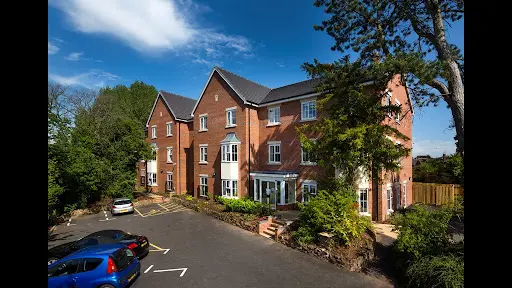
Lacemaker Court
At a Glance
The information you need to decide whether this home warrants a closer look.
Residential homes
Staff warmth score
of reviewers answered yes
Good to know
- Registered beds16
- SpecialismsCaring for adults over 65 yrs, Caring for adults under 65 yrs, Dementia, Learning disabilities, Mental health conditions, Physical disabilities, Sensory impairment
- Last inspected2018-09-08
Save Lacemaker Court to your shortlist
Keep a running list, add visit notes, and compare homes side-by-side. Free account — it takes a minute.
STAGE 4 — RESEARCHING CARE HOMES
Visit homes. Compare them side by side. Choose with confidence.
Most of us will view care homes the way we view houses, impression, atmosphere, the feeling in the corridor. We go home, try to remember what we saw, and make a permanent decision from a blurred memory.

The DCC shortlist gives every home you visit a structured record: the same twelve questions, answered the same way, every time. When you’re ready to choose, pull any two homes side by side and compare them directly. Same criteria, same evidence, your notes and your scores.
The Evidence
What the review data, the inspection reports, and the dementia-care evidence base tell us about this home.
What families say
Families have found comfort in how staff handle sensitive situations, particularly during end-of-life care. The kindness shown by team members has left lasting impressions on those who've needed support through hospitalisation and bereavement.
The eight family priority themes
- Staff warmth70
- Compassion & dignity72
- Cleanliness70
- Activities & engagement60
- Food quality60
- Healthcare68
- Management & leadership75
- Resident happiness68
What inspectors found
Inspected 2018-09-08
Is this home safe?
Is the care effective?
The Effective domain was rated Good at the December 2020 inspection. This domain covers care planning, staff training, healthcare access, nutrition, and how well the home meets the assessed needs of the people who live there. The home has a specialism in dementia, learning disabilities, mental health conditions, physical disabilities, and sensory impairment, meaning the expected standard of effective practice is high. No specific detail about care plan content, GP access frequency, dementia training coverage, or food quality is available in the published summary. The Good rating indicates inspectors were satisfied, but the evidence base for that satisfaction is not described in the available text.Is this home caring?
The Caring domain was rated Good at the December 2020 inspection. This domain covers staff warmth, compassion, dignity, respect, and how well the home supports independence. For a home with dementia as a specialism, this includes non-verbal communication, recognising distress, and responding to individual emotional needs as well as physical ones. The published summary does not include specific inspector observations, resident quotes, or relative testimony from this domain. The Good rating indicates no concerns were identified, but the absence of specific evidence means it is not possible to describe in concrete terms what good caring looked like in practice at this home.Is the home responsive?
The Responsive domain was rated Good at the December 2020 inspection. This domain covers whether the home tailors its care and activities to individual needs, responds to complaints, and makes provision for end-of-life care. The home's stated specialisms include dementia, learning disabilities, mental health conditions, and sensory impairment, all of which require responsive, individually adjusted approaches. No specific activities are named in the published summary, and no information is available about the activities programme, one-to-one engagement, or how end-of-life preferences are recorded. The Good rating indicates the inspector was satisfied, but without specific examples it is difficult to translate this into what daily life would look like for your parent.Is the home well-led?
The Well-Led domain was rated Good at the December 2020 inspection, having previously been rated at a lower level. This domain covers leadership culture, staff empowerment, governance systems, and whether the home learns from problems. The home is run by Derbyshire County Council, which is an established public sector provider. A named nominated individual is on record with the regulator. The improvement across all five domains suggests leadership changes or governance improvements were made between the two inspection cycles. No specific information about manager tenure, staff satisfaction, or quality monitoring systems is available in the published summary.
Source: CQC inspection report →
What the evidence base says
The home caters for adults of all ages with physical disabilities, sensory impairments, learning disabilities and mental health conditions. They also provide specialist dementia care. The home accepts residents living with dementia as part of their wider support for people with complex needs. Their experience spans both older adults and those under 65 who need specialist care. All areas worth probing directly during a visit.
The DCC Verdict
Our editorial view, built from the three lenses: what families tell us, what inspectors record, and how the home sits against good dementia-care practice.
DCC Family Score
Lacemaker Court improved from Requires Improvement to Good across all five inspection domains, which is a meaningful step forward. However, the published report contains limited specific detail across most areas, so this score reflects a solid but not deeply evidenced baseline.
Homes in East Midlands typically score 68–82.The three-lens summary
What families tell us
Families have found comfort in how staff handle sensitive situations, particularly during end-of-life care. The kindness shown by team members has left lasting impressions on those who've needed support through hospitalisation and bereavement.
What inspectors have recorded
Staff show real compassion in their work, though some have noticed response times to resident requests could be quicker. The team's caring approach shines through particularly during difficult periods, when their support extends naturally to family members.
How it sits against good practice
While some aspects of the home may benefit from attention, the genuine compassion shown by staff during life's hardest moments speaks to their commitment to residents and families.
Worth a visit
Lacemaker Court Residential and Community Care Centre, run by Derbyshire County Council and based in Long Eaton, Nottingham, was rated Good across all five inspection domains at its most recent inspection in December 2020, published December 2020. This followed a previous rating of Requires Improvement, meaning the home demonstrated real progress across safety, care quality, leadership, and responsiveness. For a small 16-bed home serving people with dementia, learning disabilities, mental health conditions, and physical disabilities, achieving a clean sweep of Good ratings is a positive and meaningful outcome. However, this service was archived in February 2026, meaning it is no longer registered and is not currently operating as a care home. If you are researching this home for historical reference or comparison purposes, be aware that the most recent published findings are from late 2020 and a significant amount of time has passed. The published summary provides limited specific detail on areas families care most about, including night staffing, food quality, dementia-specific activities, and family communication. If any successor service operates from this address or under a related provider, ask for its current inspection record and treat this report as background context only.
The three questions to ask when you visitSave this home. Compare it against your shortlist.
Let our analysis show you how Lacemaker Court measures up against the other homes you’re considering. Free account.
In Their Own Words
How Lacemaker Court describes itself — collected from its own website. DCC has not edited or independently verified the content in this tab.
Compassionate staff support families through difficult times in Nottingham
Dedicated residential home Support in Nottingham
When families face the most challenging moments, the staff at Lacemaker Court Residential and Community Care Centre in Nottingham show genuine care that extends beyond their daily duties. This care home supports people with various needs, from sensory impairments to learning disabilities, though experiences here can vary between residents and their families.
Who they care for
The home caters for adults of all ages with physical disabilities, sensory impairments, learning disabilities and mental health conditions. They also provide specialist dementia care.
The home accepts residents living with dementia as part of their wider support for people with complex needs. Their experience spans both older adults and those under 65 who need specialist care.
“While some aspects of the home may benefit from attention, the genuine compassion shown by staff during life's hardest moments speaks to their commitment to residents and families.”
DCC does not edit or curate content in this tab. For independently curated information, see The Evidence and DCC Verdict.
The DCC Verdict
Our editorial view, built from the three lenses: what families tell us, what inspectors record, and how the home sits against good dementia-care practice.
DCC Family Score
Lacemaker Court improved from Requires Improvement to Good across all five inspection domains, which is a meaningful step forward. However, the published report contains limited specific detail across most areas, so this score reflects a solid but not deeply evidenced baseline.
Homes in East Midlands typically score 68–82.The three-lens summary
What families tell us
Families have found comfort in how staff handle sensitive situations, particularly during end-of-life care. The kindness shown by team members has left lasting impressions on those who've needed support through hospitalisation and bereavement.
What inspectors have recorded
Staff show real compassion in their work, though some have noticed response times to resident requests could be quicker. The team's caring approach shines through particularly during difficult periods, when their support extends naturally to family members.
How it sits against good practice
While some aspects of the home may benefit from attention, the genuine compassion shown by staff during life's hardest moments speaks to their commitment to residents and families.
Worth a visit
Lacemaker Court Residential and Community Care Centre, run by Derbyshire County Council and based in Long Eaton, Nottingham, was rated Good across all five inspection domains at its most recent inspection in December 2020, published December 2020. This followed a previous rating of Requires Improvement, meaning the home demonstrated real progress across safety, care quality, leadership, and responsiveness. For a small 16-bed home serving people with dementia, learning disabilities, mental health conditions, and physical disabilities, achieving a clean sweep of Good ratings is a positive and meaningful outcome. However, this service was archived in February 2026, meaning it is no longer registered and is not currently operating as a care home. If you are researching this home for historical reference or comparison purposes, be aware that the most recent published findings are from late 2020 and a significant amount of time has passed. The published summary provides limited specific detail on areas families care most about, including night staffing, food quality, dementia-specific activities, and family communication. If any successor service operates from this address or under a related provider, ask for its current inspection record and treat this report as background context only.
The three questions to ask when you visitSave this home. Compare it against your shortlist.
Let our analysis show you how Lacemaker Court measures up against the other homes you’re considering. Free account.
In Their Own Words
How Lacemaker Court describes itself — collected from its own website. DCC has not edited or independently verified the content in this tab.
Compassionate staff support families through difficult times in Nottingham
Dedicated residential home Support in Nottingham
When families face the most challenging moments, the staff at Lacemaker Court Residential and Community Care Centre in Nottingham show genuine care that extends beyond their daily duties. This care home supports people with various needs, from sensory impairments to learning disabilities, though experiences here can vary between residents and their families.
Who they care for
The home caters for adults of all ages with physical disabilities, sensory impairments, learning disabilities and mental health conditions. They also provide specialist dementia care.
The home accepts residents living with dementia as part of their wider support for people with complex needs. Their experience spans both older adults and those under 65 who need specialist care.
Management & ethos
Staff show real compassion in their work, though some have noticed response times to resident requests could be quicker. The team's caring approach shines through particularly during difficult periods, when their support extends naturally to family members.
“While some aspects of the home may benefit from attention, the genuine compassion shown by staff during life's hardest moments speaks to their commitment to residents and families.”
DCC does not edit or curate content in this tab. For independently curated information, see The Evidence and DCC Verdict.