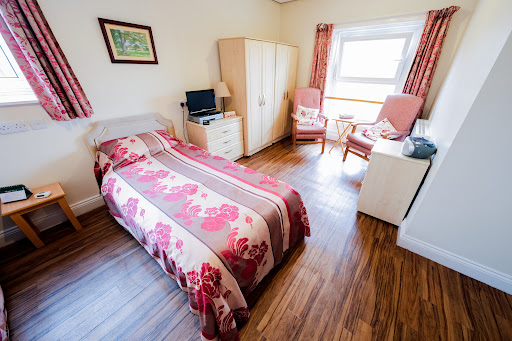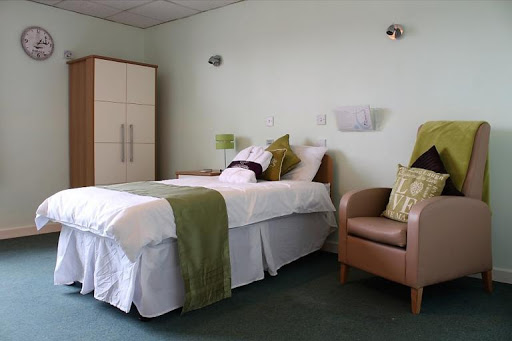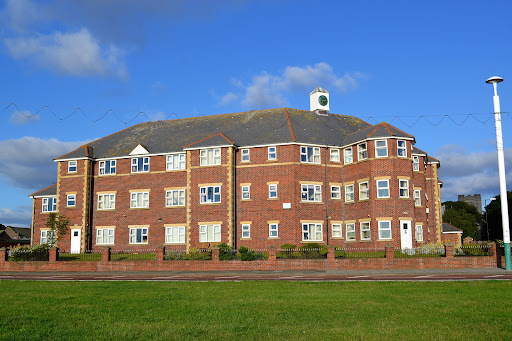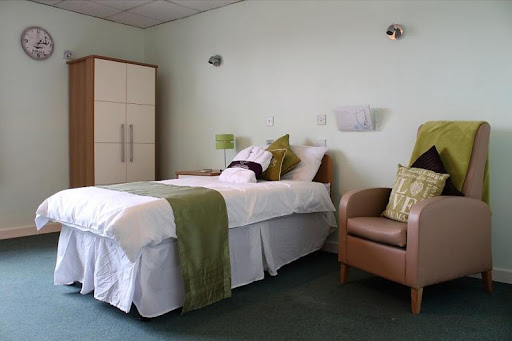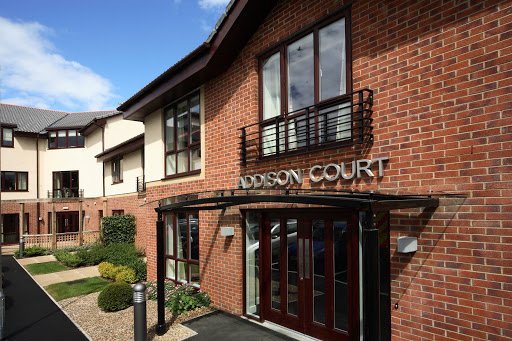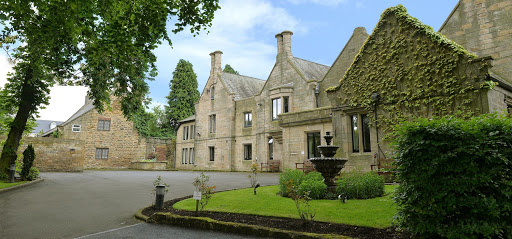
Thorncliffe House Care Home
At a Glance
The information you need to decide whether this home warrants a closer look.
Residential homes
Staff warmth score
of reviewers answered yes
Good to know
- Registered beds24
- SpecialismsCaring for adults over 65 yrs, Caring for adults under 65 yrs, Dementia, Physical disabilities
- Last inspected2018-07-28
The Evidence
What the review data, the inspection reports, and the dementia-care evidence base tell us about this home.
What families say
The eight family priority themes
- Staff warmth55
- Compassion & dignity55
- Cleanliness55
- Activities & engagement50
- Food quality50
- Healthcare55
- Management & leadership65
- Resident happiness55
What inspectors found
Inspected 2018-07-28
Is this home safe?
Is the care effective?
The Effective domain was rated Good at the November 2020 inspection. This domain covers care planning, staff training, nutrition, and access to healthcare professionals such as GPs and specialist nurses. The published report does not include specific detail on any of these areas. Dementia is listed as a specialism, and physical disabilities is also listed, which means staff should be trained in both. No information about training completion rates, care plan review schedules, or GP visit frequency is published.Is this home caring?
The Caring domain was rated Good at the November 2020 inspection. This domain covers staff warmth, dignity, respect, privacy, and support for independence. The published report includes no direct observations of staff interactions, no resident or relative quotes, and no specific examples of how dignity is maintained in daily care. Staff warmth is the single largest driver of family satisfaction in our review data, mentioned in 57.3% of positive reviews, making the absence of specific evidence here a notable gap.Is the home responsive?
The Responsive domain was rated Good at the November 2020 inspection. This domain covers activities, individual engagement, response to complaints, and end-of-life care. The published report includes no detail about what activities are offered, how often they run, whether one-to-one engagement is available for residents who cannot join groups, or how complaints are handled. The home caters for people with dementia and physical disabilities, both of whom may have very different engagement needs from a standard residential programme.Is the home well-led?
The Well-led domain was rated Good at the November 2020 inspection, and a monitoring review in July 2023 found no new concerns. The registered manager is named as Mrs Colleen Purvis, and the nominated individual is Mrs Kelly Marie Gallimore. The improvement from Requires Improvement to Good across all five domains suggests the management team identified and addressed earlier failings, which is a positive indicator of leadership capacity. No further detail about governance processes, staff culture, or management visibility is published.
Source: CQC inspection report →
What the evidence base says
The home welcomes adults of all ages, including those under 65 who need residential care. They support people living with dementia and physical disabilities, adapting their approach to each person's needs. For residents with dementia, the team works to maintain dignity and quality of life. They understand the importance of familiar routines and patient, consistent care. All areas worth probing directly during a visit.
The DCC Verdict
Our editorial view, built from the three lenses: what families tell us, what inspectors record, and how the home sits against good dementia-care practice.
DCC Family Score
Thorncliffe House holds a Good rating across all five inspection domains, which is a meaningful improvement from its previous Requires Improvement rating. However, the published inspection report contains very limited specific detail, so most scores reflect the rating itself rather than direct observations or testimony.
Homes in North East typically score 68–82.Worth a visit
Thorncliffe House, a 24-bed care home in Sunderland catering for adults over and under 65 with dementia and physical disabilities, was rated Good across all five inspection domains at its last full inspection in November 2020. This represents a positive improvement from a previous Requires Improvement rating, suggesting the registered manager and team addressed earlier concerns. A monitoring review in July 2023 found no evidence to change the rating. The key limitation for your decision is the age of the inspection and the very limited detail in the published report. Because the November 2020 findings contain almost no specific observations, quotes, or direct evidence about how staff interact with your parent day to day, the Good rating alone cannot tell you whether this is the right home. On a visit, pay close attention to how staff speak to residents in corridors and communal areas, ask to see last week's actual staffing rota (not the template) including night shifts, and ask specifically how the home supports someone with dementia or a physical disability who cannot join group activities.
The three questions to ask when you visitSave this home. Compare it against your shortlist.
Let our analysis show you how Thorncliffe House Care Home measures up against the other homes you’re considering. Free account.
In Their Own Words
How Thorncliffe House Care Home describes itself — collected from its own website. DCC has not edited or independently verified the content in this tab.
Supportive care for younger adults with complex needs in Sunderland
Thorncliffe House – Your Trusted residential home
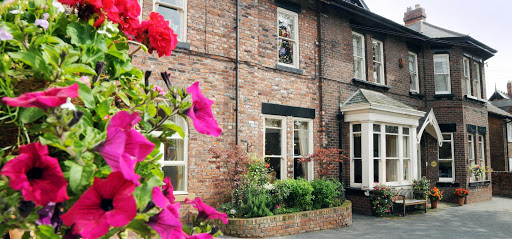
When you're looking for specialist care for someone under 65, finding the right place feels especially important. Thorncliffe House in Sunderland provides residential care for both younger and older adults, with particular experience in supporting people with physical disabilities and dementia. The home focuses on creating an environment where health and wellbeing come first.
Who they care for
The home welcomes adults of all ages, including those under 65 who need residential care. They support people living with dementia and physical disabilities, adapting their approach to each person's needs.
For residents with dementia, the team works to maintain dignity and quality of life. They understand the importance of familiar routines and patient, consistent care.
“If you'd like to learn more about their approach to care, the team at Thorncliffe House would be happy to show you around.”
DCC does not edit or curate content in this tab. For independently curated information, see The Evidence and DCC Verdict.
The DCC Verdict
Our editorial view, built from the three lenses: what families tell us, what inspectors record, and how the home sits against good dementia-care practice.
DCC Family Score
Thorncliffe House holds a Good rating across all five inspection domains, which is a meaningful improvement from its previous Requires Improvement rating. However, the published inspection report contains very limited specific detail, so most scores reflect the rating itself rather than direct observations or testimony.
Homes in North East typically score 68–82.Worth a visit
Thorncliffe House, a 24-bed care home in Sunderland catering for adults over and under 65 with dementia and physical disabilities, was rated Good across all five inspection domains at its last full inspection in November 2020. This represents a positive improvement from a previous Requires Improvement rating, suggesting the registered manager and team addressed earlier concerns. A monitoring review in July 2023 found no evidence to change the rating. The key limitation for your decision is the age of the inspection and the very limited detail in the published report. Because the November 2020 findings contain almost no specific observations, quotes, or direct evidence about how staff interact with your parent day to day, the Good rating alone cannot tell you whether this is the right home. On a visit, pay close attention to how staff speak to residents in corridors and communal areas, ask to see last week's actual staffing rota (not the template) including night shifts, and ask specifically how the home supports someone with dementia or a physical disability who cannot join group activities.
The three questions to ask when you visitSave this home. Compare it against your shortlist.
Let our analysis show you how Thorncliffe House Care Home measures up against the other homes you’re considering. Free account.
In Their Own Words
How Thorncliffe House Care Home describes itself — collected from its own website. DCC has not edited or independently verified the content in this tab.
Supportive care for younger adults with complex needs in Sunderland
Thorncliffe House – Your Trusted residential home
When you're looking for specialist care for someone under 65, finding the right place feels especially important. Thorncliffe House in Sunderland provides residential care for both younger and older adults, with particular experience in supporting people with physical disabilities and dementia. The home focuses on creating an environment where health and wellbeing come first.
Who they care for
The home welcomes adults of all ages, including those under 65 who need residential care. They support people living with dementia and physical disabilities, adapting their approach to each person's needs.
For residents with dementia, the team works to maintain dignity and quality of life. They understand the importance of familiar routines and patient, consistent care.
Management & ethos
Families describe the staff as consistently helpful and available when needed. The manager takes an active role in the day-to-day running of the home, staying closely involved with residents' care.
“If you'd like to learn more about their approach to care, the team at Thorncliffe House would be happy to show you around.”
DCC does not edit or curate content in this tab. For independently curated information, see The Evidence and DCC Verdict.